Selecting the right air valve can determine whether an industrial system runs smoothly or suffers repeated pressure losses. In compressed-air lines, water treatment plants, process facilities, and pneumatic equipment, a small valve may control a serious operational risk. A leaking seat can waste energy. A poorly sized body can create pressure drop, vibration, or unexpected maintenance.
Valve engineer Dr. John H. Ballun once noted, “A valve is only as reliable as the system around it.” That principle deserves attention. Even the best air valve cannot compensate for contaminated air, incorrect installation, or neglected inspection. The selection process must examine pressure range, flow capacity, temperature, material compatibility, actuation method, and maintenance access. Field experience matters here. A catalog rating rarely tells the whole story.
This guide examines 10 best air valves for industrial applications, including solenoid, ball, butterfly, check, relief, and air-release designs. Each option serves a different duty. Some react quickly. Others tolerate harsh environments or simplify isolation. The “best” choice is not universal. That is an important limitation.
Look closely at real operating conditions. A dusty factory floor is not a laboratory. Moisture may collect inside the line. Operators may also choose convenience over long-term efficiency, sometimes without realizing the cost. The following evaluation focuses on dependable performance, practical installation, safety, and total ownership value. It also recognizes an uncomfortable truth: even a technically correct selection can fail when users overlook routine testing.
10 Best Air Valves for Industrial Applications?
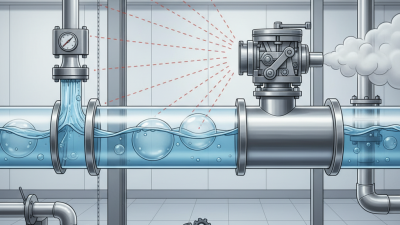
Industrial air valves manage trapped air, vacuum, and pressure changes inside pipelines. Their operating principle is simple but highly important. A float, disc, or piston responds to air movement and pressure differences. When air enters a chamber, the mechanism opens an outlet. As liquid reaches the valve, buoyancy closes it. During draining, the valve admits air to reduce vacuum risk.
In practical installations, air-release valves remove small pockets during normal operation. Air and vacuum valves handle larger volumes during filling or drainage. Combination valves perform both functions in one housing. I have seen poor sizing cause noisy discharge, water hammer, and repeated maintenance. The valve must match pipe diameter, working pressure, fluid temperature, and expected air volume. A higher pressure rating alone does not guarantee better control. Check the flow curve.
Location matters too. Install valves at high points, long rising sections, and sudden elevation changes. Keep access clear for inspection. A blocked vent can make a sound valve useless. Field teams should examine seals, floats, screens, and corrosion during scheduled shutdowns. Clean water systems may need different materials than process lines carrying chemicals or abrasive liquids. Use verified technical data and applicable safety requirements. A perfect selection is uncommon. Actual operating conditions often expose assumptions made during design.
10 Best Air Valves for Industrial Applications?
Key Selection Criteria for Industrial Air Valves
Selecting an industrial air valve starts with the operating conditions, not the catalog photograph. Record pressure, temperature, air quality, flow demand, and connection size. A valve rated for 10 bar may fail early if pressure spikes occur repeatedly. I have seen small sizing errors create noisy lines, slow actuators, and unnecessary compressor loads. Flow coefficient matters because nominal pipe size alone does not guarantee adequate performance.
Material compatibility deserves equal attention. Moisture, oil mist, dust, and cleaning chemicals can attack seals or internal surfaces. Stainless steel may suit corrosive areas, while engineered polymers can reduce weight in controlled environments. Check seal temperature limits carefully. A seal that works at room temperature may harden near a hot compressor outlet. Sometimes, the cheaper material performs better. Sometimes, it does not.
Choose the required function clearly: isolation, exhaust, pressure regulation, non-return protection, or rapid air release. Consider the failure position during power or signal loss. A safe shutdown may need a normally closed design, but every system is different. Confirm response time, leakage limits, maintenance access, and spare-part availability. Independent test reports and traceable documentation strengthen purchasing decisions. Field trials are useful, although they can expose assumptions the design team missed. A practical inspection should check threads, actuator movement, noise, and condensation after installation.
10 Best Air Valves for Industrial Applications?
Ten Leading Air Valve Types for Industrial Applications
Industrial air systems need valves that match pressure, temperature, airflow, and maintenance demands. The ten leading types include check valves, ball valves, butterfly valves, gate valves, globe valves, needle valves, solenoid valves, pneumatic control valves, air release valves, and vacuum breaker valves. Each design solves a different operating problem.
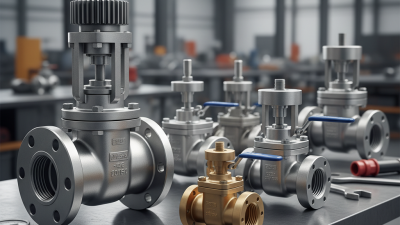
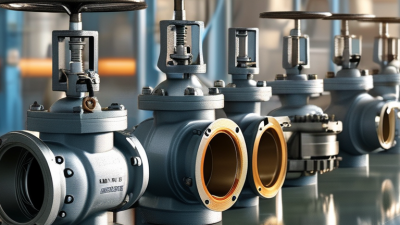
Check valves stop reverse flow in compressors and pipelines. Ball valves provide quick isolation with a firm quarter-turn action. Butterfly valves save space on large ducts and low-pressure lines. Gate valves suit fully open or fully closed service, while globe valves offer precise throttling. Needle valves control small airflow changes near instruments. Solenoid valves support fast automatic switching. Pneumatic control valves adjust flow continuously through actuator signals. Air release valves remove trapped air from liquid pipelines. Vacuum breakers protect tanks and piping from damaging pressure differences.
During equipment inspections, technicians should check seal wear, actuator response, corrosion, and mounting alignment. A valve that looks suitable on paper may fail under vibration or dirty air. One selection mistake is common: choosing a small valve only because its connection fits. Flow capacity can be inadequate. Pressure loss matters.
Material compatibility also deserves attention. Stainless steel may suit corrosive moisture, while reinforced polymers can perform well in lighter service. Always compare the valve rating with real operating conditions, not ideal catalog values. Field measurements often reveal the missing detail.
A practical comparison of widely used valve types for compressed air, process air, and industrial gas systems.
| No. | Valve Type | Primary Function | Typical Air-System Application | Typical Size Range | Typical Pressure Range | Flow Characteristics | Main Advantages | Important Limitations |
|---|---|---|---|---|---|---|---|---|
| 1 | Ball Valve | Fast isolation and shut-off | Compressed-air branches, receiver isolation, maintenance shut-off points, and pneumatic equipment | DN6–DN300 (¼–12 in) | Up to approximately 100 bar, depending on construction and temperature | Full-bore designs provide low pressure drop | Compact, quarter-turn operation, reliable shut-off, and low maintenance | Not recommended for continuous throttling; soft seats may be affected by heat or contamination |
| 2 | Butterfly Valve | Isolation and moderate flow regulation | Large compressed-air headers, ventilation air, blower discharge, and low-pressure gas lines | DN50–DN2000 (2–80 in) | Commonly vacuum to 25 bar; higher ratings are available for specific designs | Low-to-moderate pressure drop when fully open | Lightweight, economical at large diameters, and quick to operate | Disc remains in the flow path; throttling can increase turbulence and seat wear |
| 3 | Gate Valve | Full-flow isolation | Main air headers, long pipelines, and systems requiring infrequent isolation | DN50–DN1200 (2–48 in) | Commonly up to 100 bar, with higher-pressure designs available | Very low pressure drop when fully open | Suitable for large lines and provides unobstructed flow when open | Slow operation, large installation envelope, and unsuitable for routine throttling |
| 4 | Globe Valve | Precise flow control and isolation | Air-flow adjustment, pressure-control stations, and process-gas regulation | DN15–DN400 (½–16 in) | Commonly up to 250 bar, subject to body and trim design | Higher pressure drop than straight-through valves | Good control rangeability and strong shut-off capability | More energy loss, larger body, and slower operation than quarter-turn valves |
| 5 | Check Valve | Prevents reverse flow | Compressor discharge, parallel compressors, receiver outlets, and pneumatic lines | DN15–DN600 (½–24 in) | Commonly vacuum to 250 bar, depending on type | Pressure drop varies by lift, spring, and flow direction | Automatic operation and protection against backflow | Can chatter or cause water hammer if incorrectly sized or installed |
| 6 | Plug Valve | Quarter-turn isolation and diversion | Dry or clean industrial air, gas manifolds, and applications requiring tight shut-off | DN15–DN900 (½–36 in) | Typically up to 100 bar, depending on sleeve and body design | Low pressure drop in reduced- or full-port configurations | Simple flow path, compact operation, and good isolation performance | Operating torque can rise; abrasive particles may damage the plug or sleeve |
| 7 | Diaphragm Valve | Isolation and clean-service control | Oil-free air, hygienic gas service, corrosive media, and contaminated low-pressure air | DN8–DN300 (¼–12 in) | Usually vacuum to approximately 16 bar | Moderate pressure drop; weir designs offer useful control | Fluid is isolated from the stem and actuator; suitable for corrosive or dirty service | Diaphragm is a wear component and may be sensitive to temperature, pressure, and flexing cycles |
| 8 | Needle Valve | Fine flow adjustment | Instrument-air panels, calibration systems, sampling lines, and actuator speed control | DN2–DN50 (⅛–2 in) | Commonly up to 400 bar, depending on material and connection | High resistance enables precise low-flow control | Excellent metering precision and stable adjustment at low flow rates | Low capacity, slow adjustment, and unsuitable for rapid isolation or large pipelines |
| 9 | Safety Relief Valve | Automatic overpressure protection | Air receivers, compressors, pressure vessels, and compressed-gas systems | DN15–DN300 (½–12 in) | Set pressure commonly from 1 to 400 bar, according to certification and design | Designed for rapid high-capacity discharge during an overpressure event | Critical passive protection that operates without external power | Must be correctly sized, set, tested, and discharged to a safe location |
| 10 | Control Valve | Automatic regulation of pressure, flow, temperature, or level | Process-air control loops, pressure-reducing stations, pneumatic systems, and gas distribution | DN15–DN600 (½–24 in) | Commonly up to 250 bar, depending on body, trim, and actuator | Engineered for predictable flow response and controllable pressure drop | Supports automated process control, remote operation, and accurate regulation | Higher cost and complexity; requires sizing, instrumentation, and periodic calibration |
Note: Pressure and size ranges are representative industry ranges rather than universal limits. Actual selection must consider pressure, temperature, air quality, leakage class, materials, connection standard, flow coefficient, applicable codes, and manufacturer certification.
Choosing the ten best air valves requires more than comparing pressure ratings. Solenoid valves provide fast switching, while pneumatic control valves offer finer flow regulation. Ball and butterfly valves suit isolation duties. Check valves prevent reverse flow. Needle valves improve adjustment. Shuttle, quick-exhaust, and soft-start valves serve specialized pneumatic tasks. Selection should consider duty cycle, contamination, temperature, and failure position. Fast response is useful, but stable flow often matters more. That distinction is easy to miss.
Performance depends heavily on correct sizing. Oversized valves may waste air and create unstable control. The U.S. Department of Energy reports that compressed-air leaks can waste 20–30% of compressor output in poorly maintained systems, according to its Improving Compressed Air System Performance sourcebook. Safety also requires controlled exhaust, secure isolation, and suitable materials. ISO 4414 provides widely used guidance for pneumatic safety. A valve can perform well and still be unsafe.
Maintenance costs often exceed purchase costs. Inspect seals, silencers, tubing, and exhaust ports during planned shutdowns. Keep them clean. Condition monitoring can detect slow leakage before production suffers. Life-cycle cost should include electricity, spare parts, labor, and downtime. The lower-priced valve is not always cheaper. I would not rank one design permanently; dusty workshops, wet processing areas, and clean assembly lines demand different compromises. That is where a simple comparison becomes less certain.
Even the best air valve can fail when installation is careless. Confirm the valve’s pressure rating, fluid compatibility, and flow direction before unpacking it. Inspect threads, flanges, seals, and the float mechanism for shipping damage. Keep the valve upright when required by its design. Remove pipe debris, then tighten connections evenly. Excessive torque can distort the body or damage the gasket. Leave enough clearance for inspection and future replacement.
Tips: Mark the installation date and valve location. Take a clear photograph before insulation covers the connection. Small details help during emergency repairs.
Testing should begin after the line is isolated and safely depressurized. Open the valve gradually, while watching for leaks, vibration, and unusual discharge. Use a calibrated pressure gauge and compare readings with the approved operating range. Test automatic venting under realistic conditions, not only on a workbench. Maintenance teams should inspect corrosion, blocked outlets, loose fasteners, and seal wear at scheduled intervals. Clean deposits carefully; aggressive tools may scratch sealing surfaces. Record every test and repair. A checklist is useful, but it can create false confidence if technicians only sign it. Recheck valves after temperature changes, system modifications, or unexpected pressure events. Fresh evidence matters.