Who Are the Best Ball Valve Manufacturers in 2026?

Choosing among the best ball valve manufacturers in 2026 takes more than comparing catalogues or headline prices. A valve must suit its service: the fluid, operating pressure, temperature, cycle frequency, and piping conditions. A stainless-steel, fire-safe design may be appropriate for one plant, while another application calls for different body materials, seat compounds, or end connections. Details matter.

Henry Petroski, an engineer and author, wrote, “Science is about knowing; engineering is about doing.” It is a useful lens for evaluating ball valve manufacturers, though not a valve-specific endorsement. Look for evidence behind the claims: pressure and leakage test documentation, material traceability, relevant certifications, clear technical data, and responsive application support. Ask how the manufacturer handles unusual operating conditions, not just standard catalogue cases. Small print counts.

This guide compares manufacturers through practical selection criteria, product range, quality controls, customization, delivery, and after-sales support. It also distinguishes established global suppliers from specialists whose strengths may fit a narrower need. There is no universal winner. A low purchase price can look attractive, yet a poor seat match may bring leakage, downtime, and replacement work. The comparison is imperfect, too: public information varies, and marketing claims are not equal to independent test evidence. Treat rankings as a starting point, then verify the details for your own service conditions.
Who Are the Best Ball Valve Manufacturers in 2026?

What Ball Valves Are and How They Work

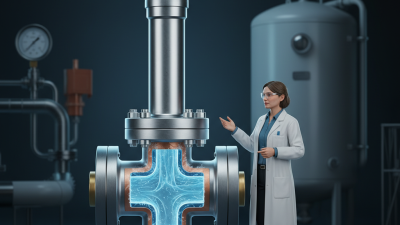
A ball valve is a shutoff device with a drilled, rotating sphere inside its body. When open, the hole through the ball lines up with the pipe, allowing fluid to pass. Turn the handle, and the stem rotates the ball about 90 degrees. Only a quarter-turn. The solid side then blocks the flow path.

Seals called seats press against the ball to limit leakage. Their material, condition, and fit affect how well the valve shuts off. Some designs have a full-size opening; others have a smaller bore that can restrict flow. A handle position indicator can help show whether the valve is open or closed, but it should not replace checking the actual system.

Ball valves are used in water lines, process piping, and other systems where quick isolation is useful. Selection depends on the fluid, temperature, pressure, connection type, and body and seat materials. Those details matter more than a valve’s appearance. It is easy to treat every ball valve as interchangeable; that is an oversimplification. Check the manufacturer’s ratings and maintenance guidance for the specific model, since wear or incompatible materials can compromise sealing.

What Ball Valves Are and How They Work

A ball valve controls flow by rotating a drilled ball inside the valve body. This chart shows the typical quarter-turn travel between its closed and open positions.

At 0°, the ball’s bore is turned across the flow path; at 90°, it aligns with the pipeline to allow flow. Travel and internal design can vary by valve model.

How to Evaluate Ball Valve Manufacturers in 2026

When evaluating ball valve manufacturers in 2026, start with the valve’s actual duty, not a polished catalogue. Define the working pressure, temperature range, fluid, cycle frequency, and required connection type. A valve handling clean water may not suit abrasive slurry or corrosive chemicals. Details matter.

Ask how the manufacturer verifies materials, dimensions, and pressure performance. Review material certificates, inspection records, and test procedures, and check whether serial or batch numbers connect the finished valve to its production history. For critical service, request sample documentation before placing a large order. Clear answers are useful; vague assurances are not.

Look beyond the quoted price. Compare delivery estimates, spare-part availability, repair guidance, and technical support after installation. Ask how the supplier handles a failed inspection and what evidence supports its corrective action. Factory audits or video walkthroughs can reveal testing equipment and assembly practices, though one visit cannot prove consistent quality. I would not treat a tidy showroom as proof. It is easy to overvalue a familiar-looking certificate, too. Check that the listed scope and test conditions match your application, and involve a qualified engineer when specifications are uncertain.

Leading Ball Valve Manufacturers and Their Specialties

Leading Ball Valve Manufacturers and Their Specialties

Ball valve manufacturers often specialize in distinct operating conditions rather than serving every application equally. Some focus on compact floating-ball designs for water lines, building services, and moderate pressures. Others engineer trunnion-mounted valves for larger pipelines, where stable operation and lower operating torque matter. For cold-service systems, manufacturers may offer extended bonnets and materials selected to maintain performance at low temperatures. Small details count.

Corrosion-resistant specialists work with alloys and polymer seats suited to particular fluids. Their recommendations should reflect the actual medium, temperature, pressure, and cleaning routine—not just a product chart. Automation-focused manufacturers pair valves with pneumatic or electric actuators and position indicators. Buyers should confirm that the complete assembly fits the required duty cycle and control setup. A mismatch can be costly.

A capable manufacturer can explain its material choices, pressure and leakage testing, and limits of use. Ask for traceable test records and clear dimensional drawings before approving a design. Site experience helps too: a valve that performs well in a clean test loop may behave differently when sediment builds around the seat. There is no perfect supplier. The useful choice is the one whose specialty matches the service conditions, with evidence to support its claims.

How Manufacturers Differ Across Industries and Applications

The best ball valve manufacturer depends on the service, not just the catalog. In a chemical plant, buyers often need corrosion-resistant body materials, compatible seals, and clear pressure-temperature limits. A valve that works well with one solvent may wear quickly with another. Small details matter.

Food and beverage applications place greater emphasis on cleanable surfaces, suitable seal materials, and designs that limit product traps. Water utilities may prioritize dependable shutoff, buried-service options, and straightforward maintenance. High-pressure process systems demand careful control of pressure ratings, stem retention, and inspection records. These are different engineering problems. A capable manufacturer should explain its material choices and provide relevant test data, rather than offering one standard valve for every job. I would not treat a polished catalog as proof; application references and documented test limits are more useful. Even then, published data cannot replace checking the actual fluid, temperature, cycling frequency, and installation conditions.

Manufacturers also differ in how they support customization and quality control. Ask how they verify seat leakage, track materials, and handle unusual operating cycles. A quick answer is not always a complete answer. For critical service, request drawings and written confirmation of the selected configuration before ordering.

Who Are the Best Ball Valve Manufacturers in 2026? — How Manufacturers Differ Across Industries and Applications

Manufacturer Capability Profile Industries and Applications Common Ball Valve Designs Typical Materials and Features Relevant Standards to Check What to Verify When Comparing Suppliers
Pipeline and energy specialist Oil and gas transmission, gathering systems, terminals, and pipeline isolation Trunnion-mounted or floating ball; full-bore designs where flow capacity and pig passage are required; manual or actuated operation Carbon-steel bodies are common; stainless-steel or other corrosion-resistant trim may be specified. Design may include double-block-and-bleed functionality, subject to the valve design. API 6D for pipeline and piping valves; API 6FA or API 607 fire testing where specified; ISO 15848-1 fugitive-emissions qualification where required Confirm design pressure and temperature, bore, end connections, materials, fire-test scope, fugitive-emissions data, and whether the offered valve configuration matches the project specification.
Industrial process and chemical-service specialist Chemical processing, refining, petrochemical plants, and general process piping Floating or trunnion-mounted; two-piece, three-piece, or top-entry construction depending on size, service, and maintenance needs Body and seat materials are selected for the fluid and operating conditions. Options can include stainless steel, alloy materials, polymer seats, and metal seats for more demanding temperature or service conditions. API 608 for applicable metal ball valves; ASME B16.34 for applicable valve pressure-temperature ratings; API 607 or ISO 10497 for specified fire testing; ISO 15848-1 when fugitive-emissions qualification is required Check chemical compatibility, pressure-temperature limits, seat and seal materials, emissions qualification, cycle requirements, and the exact tests included in the product documentation.
Water and wastewater specialist Water treatment, distribution, wastewater facilities, and utility piping Ball valves for isolation, drain, sampling, or utility duties; end connections and port sizes vary with the system design Ductile iron, bronze, stainless steel, or other specified materials may be used. Coatings, elastomers, and internal components must suit the water chemistry and service conditions. NSF/ANSI/CAN 61 and NSF/ANSI/CAN 372 may be relevant for products intended for drinking-water contact in applicable markets; AWWA standards apply to certain waterworks valve types and should be checked against the specified product Verify potable-water certification for the exact model and wetted materials, coating suitability, pressure class, connection dimensions, and local approval requirements.
Power and high-temperature service specialist Power generation, steam systems, thermal-fluid lines, and auxiliary plant services Metal-seated or specially configured ball valves may be selected for higher-temperature or severe operating conditions; design depends on the fluid and duty cycle Body, ball, seat, and stem materials must be selected for the specified temperature, pressure, erosion, and thermal-cycling conditions. A standard soft-seated design is not suitable for every severe-service duty. ASME B16.34 may apply to valve pressure-temperature ratings; project specifications may also require applicable fire-safe, emissions, and inspection qualifications Request documented operating limits, seat leakage criteria, thermal-cycle or endurance test information where specified, and confirmation that the materials and design suit the actual service.
Food, beverage, and pharmaceutical specialist Food and beverage processing, clean utilities, and hygienic process lines Sanitary or hygienic ball valve designs selected for the required cleaning method and process layout; some duties may instead call for other hygienic valve types Product-contact surfaces, seals, and connections are chosen for the process, cleaning chemicals, and temperature. Smooth, cleanable surfaces and suitable elastomer documentation are important where hygienic design is required. 3-A Sanitary Standards may apply to equipment within their scope; FDA regulations may be relevant to food-contact materials in the United States. These references do not by themselves establish that every valve is hygienic or suitable for a particular process. Check product-contact material declarations, surface-finish data where specified, drainability and cleanability, cleaning-in-place compatibility, and the scope of any sanitary certification.
Cryogenic and low-temperature specialist LNG, industrial gases, and other specified low-temperature fluid services Extended-stem or otherwise specially configured ball valves may be used where insulation, cold-box access, or operating conditions require them Low-temperature-qualified materials, suitable seats and seals, and design provisions for the specified temperature range are essential. Material selection depends on the minimum design temperature and fluid. Applicable pressure design and project standards should be identified; BS 6364 covers testing of valves for cryogenic service when specified Verify minimum design temperature, cryogenic test procedure and results, material traceability, seat leakage criteria, stem extension requirements, and compatibility with the specified fluid.
Automation and engineered-package specialist Remote, automated, frequent-cycle, or safety-related isolation duties across multiple industries Ball valves supplied with pneumatic, electric, or hydraulic actuators; accessories may include position indicators, solenoids, and limit switches Actuator sizing depends on valve torque, pressure differential, operating conditions, and required fail position. Valve and actuator are separate components with distinct ratings and documentation. ISO 5211 covers mounting interfaces for part-turn actuators where applicable; project specifications determine actuator, electrical, hazardous-area, and functional-safety requirements Request the valve torque data and actuator sizing basis, confirm supply conditions and fail action, and check that the complete assembly meets the site’s control and environmental requirements.
How to use this comparison: There is no single best ball valve manufacturer for every duty. Compare suppliers against the application, governing specification, exact valve configuration, independent test evidence, material documentation, and local service capability. Standards and certifications apply only within their stated scope; confirm the current edition and project requirements before selection.

How to Choose the Right Ball Valve Manufacturer for Your Needs

Choosing a ball valve manufacturer starts with the service, not the catalog. Define the media, operating pressure, temperature, cycle frequency, and connection type. A valve for clean water may not suit abrasive slurry or corrosive fluid. Include start-up surges in your pressure requirements. Details matter.

Ask for material certificates, pressure-test records, and traceability for each valve or production batch. Check that testing methods and design standards fit your application. A certificate alone is not enough; request evidence from comparable projects and inspect a sample when practical. Turn the handle and note its resistance. Look for clear markings, consistent machining, and accessible seals. Small clues can reveal uneven quality, though one sample cannot represent every production run.

Compare quotations against identical specifications, including body material, seat material, pressure class, and testing scope. Confirm spare-part availability, warranty terms, delivery estimates, and technical support after installation. A low price can become expensive if replacement parts take months. Maintenance access is easy to overlook. Even a detailed checklist cannot predict every field condition. Before committing, ask how the manufacturer handles a defect report and what records it can provide for the affected batch.