What Is the Best Type of Pressure Relief Valve in 2026?
Choosing the best pressure relief valve in 2026 is not a brand contest. It is a process-safety decision. The correct type depends on the fluid, operating pressure, temperature, backpressure, and credible overpressure scenario. A spring-loaded valve may suit many conventional services. A pilot-operated design can offer advantages where tight operating margins or variable backpressure matter. Neither is universally best.
API 520, Part I, and API 521 provide established engineering guidance for sizing and evaluating pressure-relief systems. The U.S. Chemical Safety Board’s incident investigation reports also show why the relief scenario matters: blocked outlets, external fire, and thermal expansion create different demands. These reports are not a ranking of valve types. They are a reminder that a valve selected for the wrong case may fail to protect equipment as intended. The details matter.
Marc Hellemans, author of Safety Relief Valves, is a relevant technical voice on selection. In paraphrase, his engineering guidance points to matching the device to the application and its operating conditions—not choosing by label alone. That distinction can be easy to miss during a fast specification review. A line drawing, fluid properties, and actual set pressure deserve close attention. Small errors matter.
This guide compares common designs, their trade-offs, and the conditions that favor each one. It also identifies the information engineers should verify before specifying a valve. No type wins every service. A careful review may still uncover gaps in the available data, and those gaps should be resolved before selection—not hidden behind a confident product description.
How Pressure Relief Valves Work and What They Protect
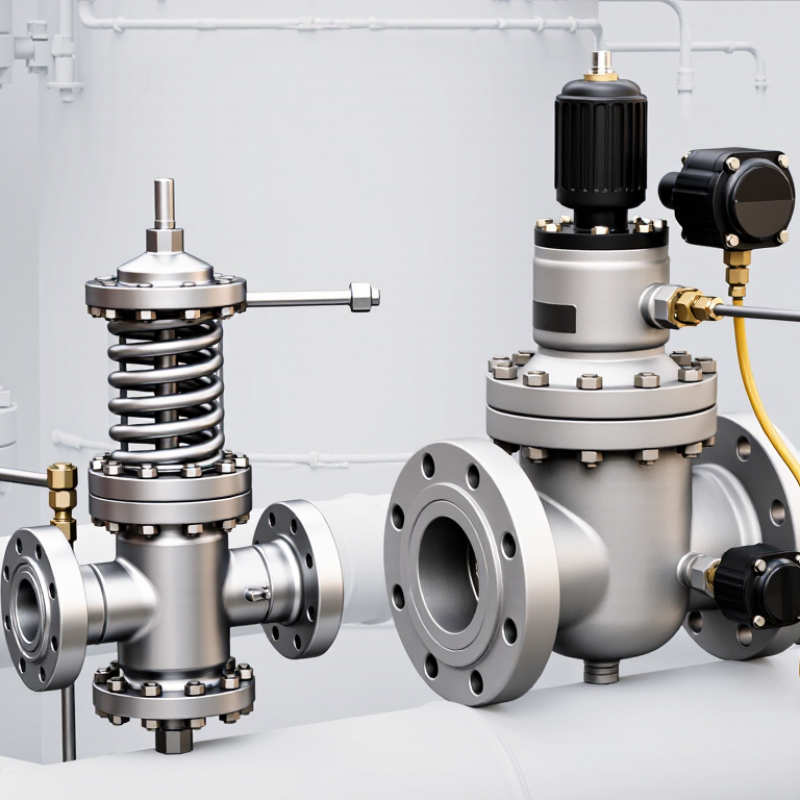
A pressure relief valve protects equipment by releasing fluid when pressure rises beyond a chosen limit. In a spring-loaded valve, process pressure pushes a disc upward against a spring. Once the force overcomes the spring’s setting, the valve opens and lets excess fluid escape. As pressure falls, the spring pushes the disc back onto its seat. The action can be quick. That matters.
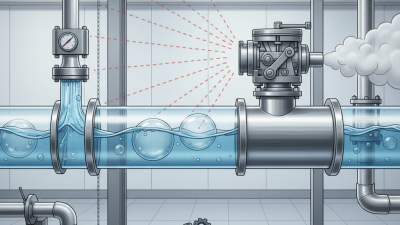
The protected equipment may include boilers, storage vessels, pumps, or sections of pipe that can be isolated from the rest of a system. Without a working relief path, trapped liquid can expand as it warms, or a blocked outlet can cause pressure to climb. A small valve opening may create a sharp hiss and a visible plume, but the discharge route must be planned to avoid exposing people or equipment.
The best valve type depends on the fluid, operating pressure, required flow capacity, and installation conditions. Spring-loaded designs are common, while pilot-operated valves may suit some systems with higher capacity needs or changing pressures. Backpressure and the possibility of fouling also affect performance. A valve that appears correctly sized on paper may still behave poorly if the inlet pipe is restrictive. It is easy to overlook that detail. Qualified engineers should verify sizing, set pressure, materials, and applicable standards for the specific system.
Main Types of Pressure Relief Valves and Their Applications
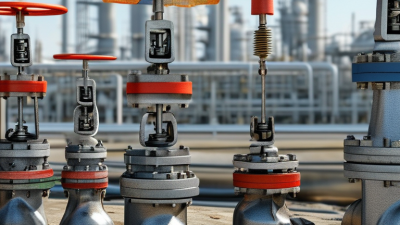
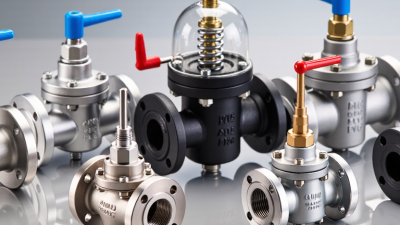
Spring-loaded pressure relief valves suit many clean-steam, gas, and liquid services. Their direct mechanism is familiar: rising pressure lifts a spring-held disc, releasing flow through the outlet. Simple, direct, and familiar. Conventional designs can be sensitive to built-up backpressure, so balanced-bellows versions are often considered where outlet pressure varies or corrosive vapors threaten the spring. API 520 Part II gives a commonly used 3% limit for non-recoverable inlet pressure loss on conventional valves; actual installations still require proper sizing and system analysis.
Pilot-operated valves use process pressure to hold the main valve closed, then open at the pilot’s set point. They can suit high-pressure systems and applications where operating pressure sits close to the relief setting. But dirty or polymerizing fluids may obstruct small pilot passages. A neat datasheet cannot fix poor fluid compatibility. API 521 guides engineers in evaluating relief scenarios, including external fire exposure and blocked outlets, before choosing capacity and discharge arrangements.
Rupture disks are not resettable valves, but they provide fast, full-bore protection and can isolate a relief valve from corrosive or fouling media. They are common in vessels and chemical processes, often paired upstream of a valve. Selection depends on the fluid, temperature, backpressure, allowable leakage, and maintenance access—not on one “best” type. API 520 and API 521 provide recognized guidance for sizing and system design; site conditions decide the final choice.
Key Factors for Selecting a Pressure Relief Valve
The best pressure relief valve depends on the system, not a single “best” design. Start with the required set pressure and the maximum flow the valve must release during an upset. Check the fluid, temperature, and whether it contains particles or may corrode wetted parts. A spring-loaded valve suits many straightforward applications. Pilot-operated designs may help where operating pressure sits close to set pressure, but their controls need suitable conditions. Small details matter.
Tips: Compare normal operating pressure with set pressure. Confirm inlet and outlet sizes, discharge backpressure, and required capacity. Ask a qualified engineer to verify sizing against the applicable design requirements. Keep the calculation and assumptions on file.
Selection is not always tidy. A valve that fits the pressure rating may still perform poorly if pipework creates excessive pressure loss or discharge backpressure. Review installation layout as well as the valve data sheet. Consider access for inspection, testing, and replacement; a valve hidden behind hot piping is harder to maintain safely. Materials should match the actual process fluid and temperature, not just the general service description. Recheck assumptions when operating conditions change. A neat calculation can still miss a real-world constraint.
How Valve Types Compare Across Operating Conditions
The best pressure relief valve depends on the operating conditions, not a universal ranking. Spring-loaded valves are simple and widely used for clean fluids and steady service. Their compact design suits many vessels and pipelines. However, changing backpressure can affect performance unless the valve is balanced for it. Pilot-operated valves can provide tighter sealing and stable control at higher pressures. They may be a poor fit for dirty or viscous fluids, which can obstruct small pilot passages. Small details matter.
Tips: Check the fluid, temperature, set pressure, required capacity, and backpressure together. For trapped liquid between closed valves, a thermal relief valve may address heat expansion; it is not a replacement for a process safety valve.
Balanced-bellows designs can reduce the effect of backpressure, while material compatibility and bellows condition still need review. In a hot, corrosive line, the wrong trim may wear faster than expected. Engineers should verify relief scenarios and discharge routing against current design requirements, then confirm the selected valve’s capacity with documented calculations. Field conditions rarely match a neat spreadsheet perfectly. That is worth admitting: deposits, vibration, and changing process loads can shift real-world behavior, so inspection and testing remain part of reliable operation.
How to Identify the Best Valve for a 2026 System
The best pressure relief valve depends on the failure scenario, not a universal ranking. A spring-loaded valve is often suitable when outlet backpressure is low and stable. A balanced-bellows design can reduce the effect of variable backpressure, while a pilot-operated valve may suit systems needing tight operation near set pressure. Small differences matter.
Start with the fluid, operating pressure, temperature, and required relieving capacity. API Standard 520, Part I, provides methods for sizing pressure-relief devices; API Standard 521 guides engineers in identifying overpressure scenarios, such as blocked outlets or external fire exposure. These are design references, not substitutes for site-specific calculations. The wrong scenario can produce a confidently sized valve that still fails to protect the equipment.
Check the certified set pressure against the vessel’s allowable pressure, then review discharge piping and backpressure. ASME BPVC Section VIII, Division 1, UG-134 specifies set-pressure tolerances of ±2 psi up to 70 psi and ±3% above 70 psi. That tolerance can matter when normal operating pressure sits close to the set point. Inspect for corrosion, fouling, and vibration, too. A neat datasheet cannot reveal every field condition. I would verify assumptions with operating records before choosing the final valve type.