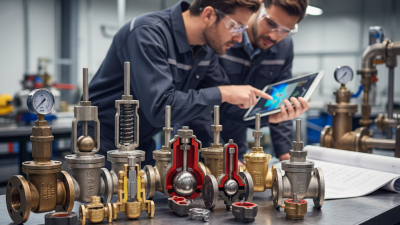
How to Choose the Right High Pressure Valve for Your Needs?
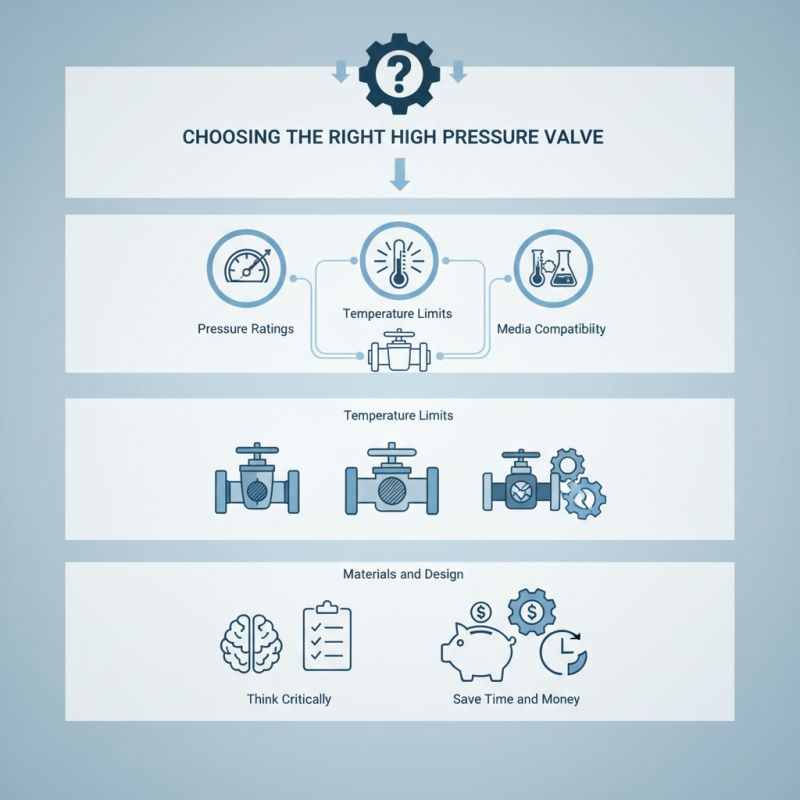
Choosing the right high pressure valve can significantly affect your operations. It’s not just about performance; it also affects safety. Many industries rely on high pressure valves to manage gas, liquids, or steam.
Understanding the specific needs of your application is crucial. Consider factors like pressure ratings, temperature limits, and media compatibility. A mismatch can lead to leaks or failures. For instance, a valve designed for steam might not function well with corrosive liquids.
Don’t overlook the importance of materials and design. Different industries require different valve structures. Sometimes, a simple choice can have lasting repercussions. It’s wise to think critically about all your options before making a decision. Being thorough can save you time and money in the long run.
Understanding High Pressure Valves: Types and Applications
High pressure valves are crucial for various industries, including oil and gas, manufacturing, and water treatment. Understanding their types and applications helps ensure optimal performance. For instance, gate valves are commonly used for on/off control, while ball valves offer quick shut-off. According to a recent market report, the global high-pressure valve market is projected to reach $7.5 billion by 2025. This indicates a rise in demand for reliable and efficient valve solutions.
In specific applications, pressure release valves play a critical role in safety. They prevent equipment damage by automatically relieving excess pressure. Choosing the right type can be challenging. Some users may overlook specifications like pressure ratings and material compatibility. Research indicates that 30% of valve failures stem from incorrect installations. Valves made from materials like stainless steel or brass may offer better longevity in corrosive environments.
Notably, understanding the working environment is essential. Extreme temperatures and aggressive chemicals can affect valve lifespan. Thus, careful selection based on environmental conditions is necessary. Users often underestimate the importance of regular maintenance. Industry standards recommend inspection every 6-12 months. Neglecting this can lead to costly repairs or even accidents.
Assessing the Specifications: Pressure, Temperature, and Flow Rate
Choosing the right high pressure valve can be challenging. One crucial step involves assessing the specifications: pressure, temperature, and flow rate. Each of these factors plays a vital role in determining the best valve for your application.
Pressure ratings must match or exceed your system's maximum pressure. If you underestimate this requirement, it could lead to catastrophic failure. It's risky to cut corners on this specification.
Temperature tolerance is equally important. High-pressure systems often operate under extreme conditions. A valve's material must handle these without degradation. Take time to analyze the temperature range carefully.
Flow rate is another key specification. It affects system efficiency. Too low, and your system may suffer. Too high, and you risk damaging components. Finding the perfect balance is not an easy task.
Testing under actual conditions might reveal unexpected issues. Be prepared for some trial and error. Some parameters may need adjustments. Don't rush this process. Prioritize safety and performance over speed.
Material Selection: Choosing the Right Construction for Durability
When selecting a high-pressure valve, durability is key. The material of construction greatly impacts longevity and performance. Common materials include stainless steel, brass, and carbon steel. Each has unique properties, making them suitable for different applications. For instance, according to industry reports, stainless steel valves can withstand higher temperatures and resist corrosion better than brass. This makes them ideal for demanding environments.
Tips: Always assess the chemical compatibility of the fluid with the valve material. A mismatch can lead to premature failure.
Another essential factor is the operating environment. Higher pressures can exacerbate wear and tear. Carbon steel, while cost-effective, may not offer the same resilience under corrosive conditions. It’s crucial to consider both internal and external factors. Reflections on past choices can illuminate future decisions.
Tips: Regularly inspect valves for signs of fatigue or wear. Early detection can prevent costly shutdowns.
Material Selection for High Pressure Valves
Evaluating Manufacturer Reputation and Industry Standards
When choosing a high pressure valve, evaluating manufacturer reputation is crucial. A reputable manufacturer often means quality products. Look for companies with positive reviews and strong track records. Incidentally, some manufacturers may not have consistent quality. Researching their history can prevent mistakes.
Industry standards are also essential. Valves must meet specific performance and safety standards. Ensure the manufacturer adheres to these guidelines. However, some companies may overlook certain certifications to cut costs. This could lead to future failures. Always ask for documentation. Verify that the products meet required specifications, ensuring reliability in critical applications.
Trustworthiness in suppliers matters greatly. A well-regarded brand can provide peace of mind. Still, it's vital to communicate your specific needs clearly. Misunderstandings can arise, leading to ill-fitting products. Always remain vigilant in understanding the capabilities of high pressure valves for your operations.