How to Choose the Right Flow Check Valve for Your Needs?
Choosing the right flow check valve is crucial for efficient fluid systems. In industries such as oil and gas, accurate flow control can improve performance and reduce costs. According to a recent report by Technavio, the global flow control valve market is forecasted to grow by 5% annually through 2024. This growth underscores the importance of selecting the right valve for specific applications.
Flow check valves prevent backflow and ensure the directional flow of fluids. However, not all flow check valves are created equal. Factors like pressure ratings, material compatibility, and special features can significantly impact performance. A mismatch could lead to failures or inefficiencies, resulting in downtime and increased maintenance costs.
Reflect on your operational needs before making a choice. Assess the specific environment where the flow check valve will be installed. Engage with professionals but remain critical of their recommendations. Please note the decision may involve trade-offs. A higher upfront cost might save more money in the long run due to less maintenance and better efficiency.
Understanding Flow Check Valves and Their Importance
Flow check valves are essential components in various systems. They prevent backflow, ensuring smooth operation and protecting equipment. Understanding their importance can help you make better choices when selecting the right valve for your needs.
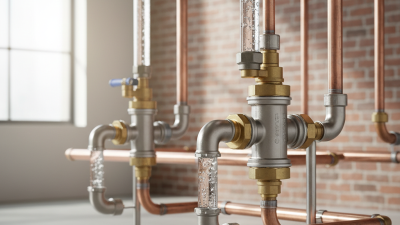
Many applications require flow check valves. For instance, in plumbing, they keep water from flowing backward. This prevents contamination and maintains system integrity. In industrial settings, valves often protect sensitive machinery from reverse flow. A malfunction can lead to costly repairs or downtime, which is why it’s critical to choose wisely.
Tips:
When selecting a valve, consider the fluid type. Different materials withstand various chemicals. Also, check the flow rate specifications. Too high or too low can cause issues. Think about maintenance too. Some valves need more care than others.
Ultimately, remember that not every valve is perfect. Some may not fit your system completely. Installation can sometimes reveal inadequacies. Always be open to revisiting your choices. Keeping a flexible mindset can save time and resources in the long run.
Key Factors to Consider When Selecting a Flow Check Valve
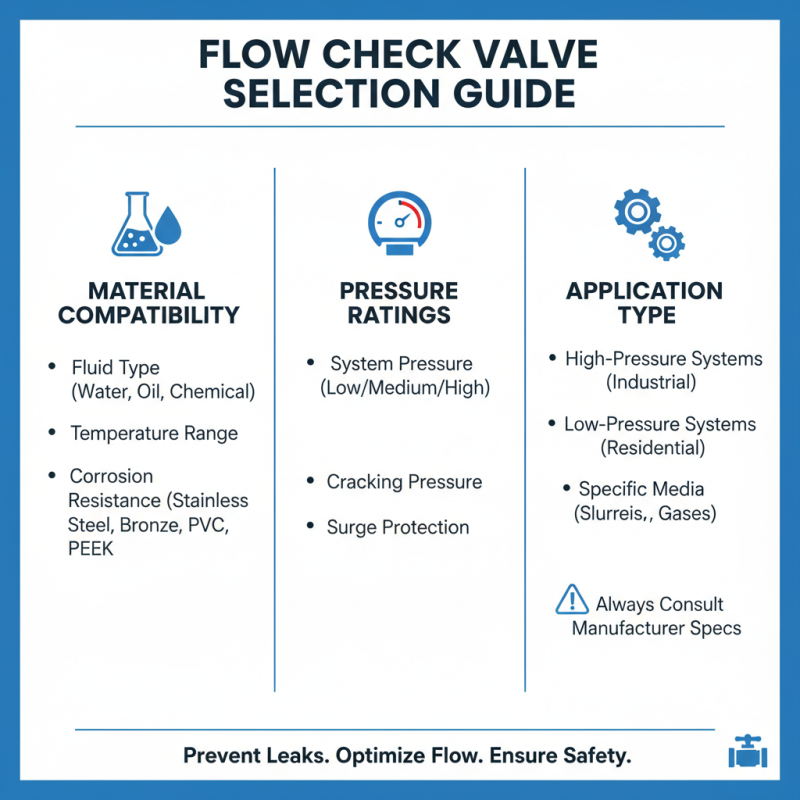
When selecting a flow check valve, several key factors are essential. The application, fluid type, and pressure ratings play a crucial role. For instance, studies indicate that approximately 72% of valve failures occur due to incorrect sizing. Thus, understanding the flow rate and requirements is paramount. Choosing a valve with inappropriate specifications can lead to inefficiency and increased maintenance costs.
Material selection is another critical factor. Common materials include brass, stainless steel, and plastic. Each material has its advantages and limitations. Stainless steel provides excellent durability, but it may not be suitable for all fluids. On the other hand, plastic valves are often cheaper but may weaken over time. A recent report highlighted that 45% of companies faced leaks due to material mismatches. It’s crucial to match the valve material with the fluid's properties to avoid failures.
Finally, installation considerations matter significantly. Valve orientation can affect performance. In some cases, improper installation leads to reduced efficiency. A study found that 30% of flow issues are due to incorrect placement. It emphasizes the need for careful planning. Factors like pipeline size and flow direction should be evaluated before installation. Without proper attention, operations may suffer, leading to unnecessary costs and downtime.
How to Choose the Right Flow Check Valve for Your Needs? - Key Factors to Consider When Selecting a Flow Check Valve
| Factor |
Description |
Importance Level (1-5) |
| Type of Fluid |
Determine the characteristics of the fluid (liquid, gas, corrosive, etc.) |
5 |
| Pressure Rating |
Select a valve that can handle the system's pressure requirements |
4 |
| Size and Connection |
Match the valve size with pipe diameter and connection type |
5 |
| Material |
Choose appropriate materials for durability and compatibility with fluids |
5 |
| Flow Rate |
Consider the flow rate to ensure efficient operation |
4 |
| Installation Environment |
Evaluate the operating environment (temperature, location, etc.) |
3 |
| Maintenance Requirements |
Consider how easy it is to maintain and service the valve |
4 |
Types of Flow Check Valves and Their Applications
When selecting flow check valves, understanding their types and applications is crucial. There are several common types of flow check valves: swing check valves, lift check valves, and ball check valves. Each type serves specific needs. For instance, swing check valves are often used in larger pipelines. They prevent backflow and are ideal for high-flow applications. According to a recent industry report, swing check valves account for about 40% of the market in industrial applications.
Lift check valves, on the other hand, are preferred in situations where space is limited. They work in both horizontal and vertical pipelines. The fluid pressure helps lift the disc, allowing flow in one direction while blocking reverse flow. This type of valve is popular in water supply systems. Interestingly, ball check valves offer a compact design, making them ideal for small-scale applications. They can operate effectively in high-pressure environments, common in the chemical industry.
Tips: Always consider the medium to be handled. The type of fluid can influence your valve choice. Additionally, assess the installation environment. Temperature and pressure ratings are critical. Sometimes, a valve might seem perfect but fails under certain conditions. Maintain open communication with engineering teams for better selection. Always question if the chosen valve meets all operational demands.
Installation and Maintenance Tips for Lasting Performance
When installing a flow check valve, proper placement is essential. Ensure that the valve is oriented correctly. An incorrect position may lead to poor performance. It is crucial to eliminate any obstacles in the pipeline. These could disrupt the valve's operation and cause backflow issues. Proper sealing is also important; leaking connections can compromise efficiency.
Routine maintenance keeps the flow check valve in optimal condition. Regularly check for debris or sediment build-up. This can hinder flow and reduce lifespan. Simple cleaning procedures can solve many problems. However, some issues may need more in-depth inspection. Failing to maintain the valve can lead to unexpected failures.
Be prepared for challenges along the way. Not all installations go smoothly. Sometimes further adjustments are needed. Don't hesitate to consult resources for guidance. It is better to do it right the first time. Learning from installation problems will enhance your skills in the long run.