What is a High Pressure Valve and How Does It Work?
High pressure valves are critical components in various industrial systems. Their role is to control fluid flow under high pressures. John Anderson, a leading expert in fluid dynamics, once said, "A high pressure valve is not just a tool, but a safeguard for operational integrity." This highlights the importance of understanding their function.
These valves are designed to withstand intense conditions. They help maintain safety and efficiency in processes like oil and gas production, chemical processing, and more. However, many professionals often overlook the complexities involved in selecting the right valve. It’s crucial to consider factors such as pressure ratings and materials.
Inadequate knowledge can lead to serious operational failures. Choosing the wrong high pressure valve can cause leaks or even catastrophic failures. Therefore, ongoing education and expert consultation are essential. Staying informed aids in making better choices in valve selection, enhancing productivity and safety in any industrial environment.
Definition of a High Pressure Valve and Its Applications
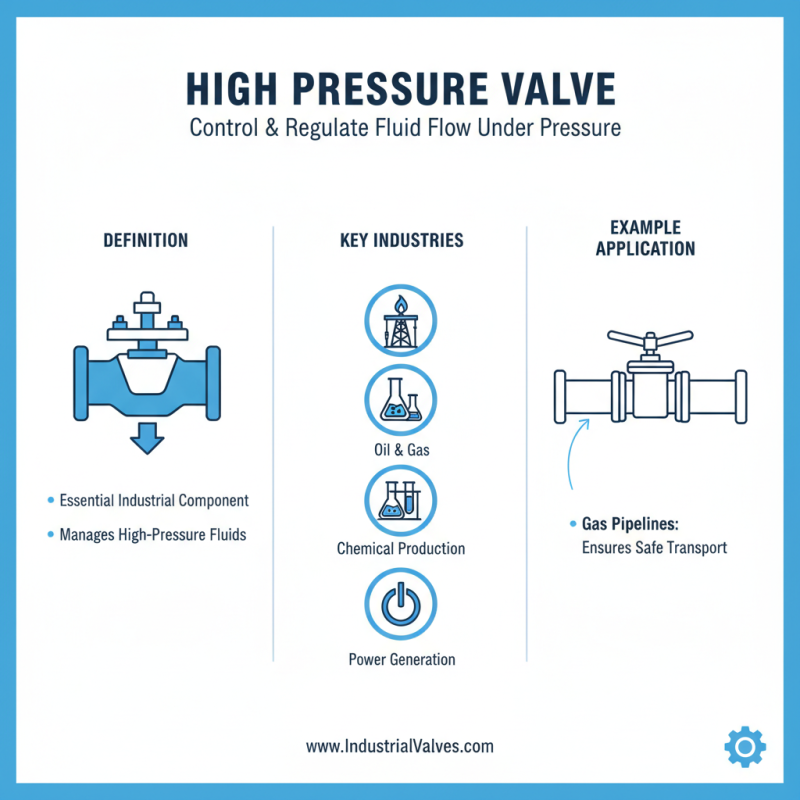
A high pressure valve is an essential component in many industrial applications. Its primary function is to control and regulate the flow of fluids under high pressure. This type of valve is commonly used in industries such as oil and gas, chemical production, and power generation. For instance, in a gas pipeline, the valve can help manage the pressure to ensure safe transport of gas.
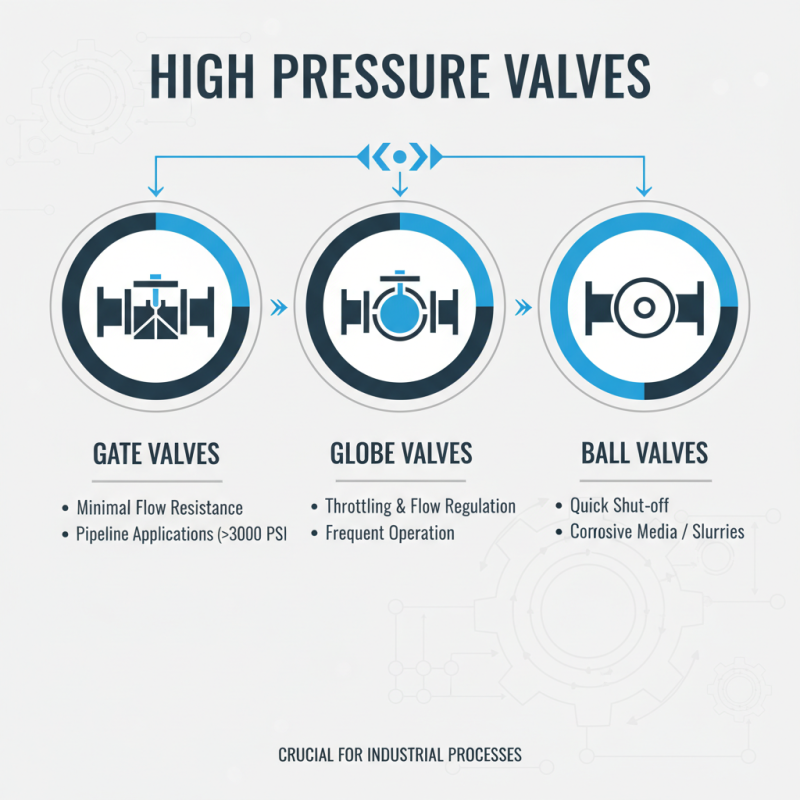
These valves come in various designs, including gate, globe, and ball valves. Each design has specific advantages depending on the application. A ball valve, for example, provides quick shut-off capabilities. This feature is crucial in situations where rapid pressure release is necessary. On the other hand, globe valves offer finer flow regulation. Their construction allows for effective throttling, making them ideal for applications requiring precise control.
While high pressure valves are robust, they can still pose risks if not maintained properly. Issues like corrosion or mechanical wear can affect performance over time. Regular inspections and maintenance procedures are crucial for reliable operation. It's clear that while high pressure valves play a vital role in various sectors, understanding their nuances is equally important for ensuring safety and efficiency.
Types of High Pressure Valves and Their Characteristics
High pressure valves play a crucial role in various industrial processes. There are several types of high pressure valves, each designed specifically for certain applications. Common types include gate, globe, and ball valves. Gate valves excel at providing minimal flow resistance and are often used in pipeline applications. According to industry reports, they can maintain flow rates even at pressures exceeding 3000 psi, making them suitable for demanding environments.
Globe valves, on the other hand, are recognized for their excellent throttling capabilities. Their design allows for precise flow control, which is essential in processes requiring fine adjustments. Industry data indicates that globe valves can effectively handle pressure drops up to 2000 psi, maintaining system reliability and efficiency.
Ball valves are widely appreciated for their durability and quick operation. They typically provide tight sealing even under high pressure, minimizing leaks and ensuring safety. Reports suggest that modern ball valves can operate effectively at pressures greater than 5000 psi, showcasing their robustness. However, it’s vital to note that improper installation can lead to performance issues, highlighting the need for careful maintenance and regular inspections.
Mechanism of Operation: How High Pressure Valves Function
High pressure valves play a critical role in various industrial applications.
They regulate the flow of fluids under high pressure, ensuring safety and efficiency. These valves are designed to withstand extreme conditions.
Their operation relies on several key mechanisms.
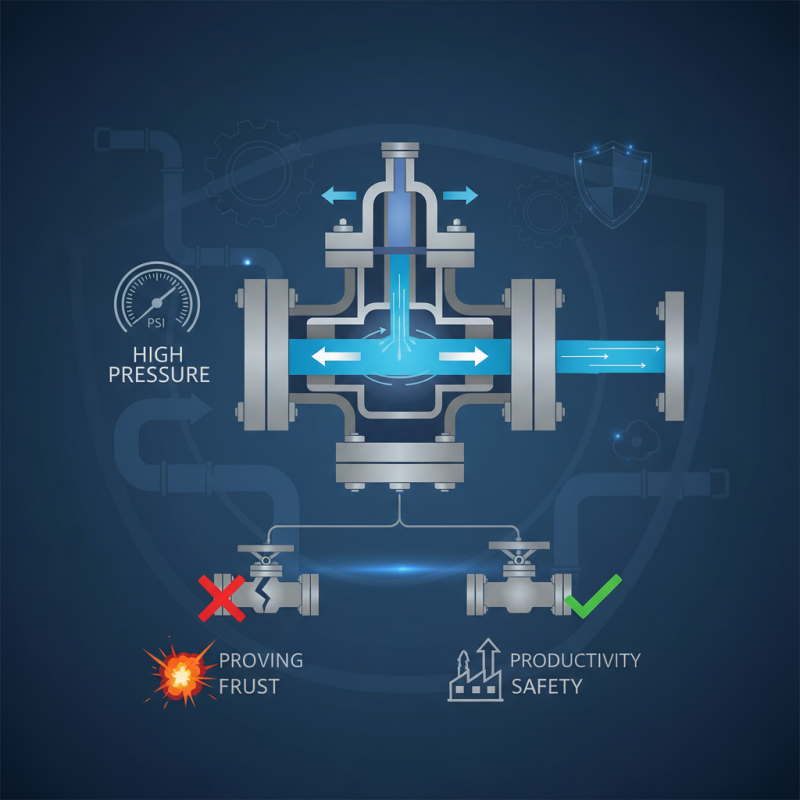
The primary mechanism in high pressure valves is the actuation system. When the valve is triggered, it uses a diaphragm or piston to open or close the flow path.
This process can involve mechanical or hydraulic forces. Adjustments to the pressure can change the valve's position, allowing for precise control.
It's essential to ensure these components are well-maintained. Any malfunction can lead to leaks or failures.
The timing of valve operation is crucial. A delayed response can disrupt systems and cause potential hazards. Regular inspections help identify worn parts and ensure reliability.
Overall, high pressure valves are complex devices that require careful consideration of all operating factors.
Understanding their mechanisms is vital for safe and efficient operation.
Key Benefits of Using High Pressure Valves in Industrial Settings
High pressure valves play a crucial role in industrial settings. They help manage fluids under high pressure, ensuring safety and efficiency. One key benefit of these valves is their ability to withstand extreme conditions. They are designed to control flow precisely, minimizing leaks and maximizing operational efficiency.
Using high pressure valves enhances system reliability. They prevent pressure buildups that can lead to equipment failure. Industries like oil and gas, chemical manufacturing, and power generation benefit significantly from these valves. They provide essential control over processes that demand robust mechanisms.
**Tip:** Regular maintenance is vital. Check for wear and tear to avoid unexpected shutdowns. Monitor pressure levels consistently to ensure optimal operation.
Another benefit is energy efficiency. High pressure valves can reduce energy consumption by optimizing flow rates. This contributes to lower operational costs and a smaller carbon footprint. It’s important to have skilled personnel for installation and maintenance to realize these advantages fully.
**Tip:** Train your team on valve operation. Knowledgeable staff can identify issues before they escalate, leading to better performance.
Maintenance and Safety Considerations for High Pressure Valves
High pressure valves are critical components in various industries, including oil and gas, chemical processing, and power generation. Proper maintenance and safety considerations are paramount to ensuring their longevity and reliable operation. Regular inspections should be part of standard practice. According to a recent industry report, approximately 30% of valve failures are directly related to inadequate maintenance.
**Tip:** Schedule routine evaluations every six months. Early detection of wear can prevent costly failures.
Safety is another major concern. High pressure systems can be volatile. The Occupational Safety and Health Administration (OSHA) reports that improper handling of pressurized equipment can result in accidents. Workers must be trained on safety protocols related to high pressure valves. Personal protective equipment (PPE) should always be used.
**Tip:** Always keep emergency shut-off valves accessible. In an emergency, every second counts.
Consider implementing a comprehensive maintenance log. This not only aids in tracking performance but also ensures compliance with industry regulations. A well-maintained valve significantly reduces the operational risks associated with high-pressure systems. Regular training sessions can help raise awareness about potential hazards. The goal is a safer working environment for all.