What is Smart Plug Outlet and How Does it Work?
The Smart Plug Outlet is revolutionizing home automation. According to a recent market report, the smart home device industry is projected to reach $174 billion by 2025. This rapid growth highlights the rising demand for user-friendly solutions. Smart plugs enable users to control appliances remotely. They provide convenience and energy savings, which appeals to eco-conscious consumers.
The technology integrates seamlessly with smartphones and voice assistants. Users can monitor electricity usage and schedule on/off times for devices. However, there are concerns about security and privacy. Many consumers are unsure about the potential risks of connecting devices to the internet. This uncertainty can hinder adoption rates, despite the apparent benefits of Smart Plug Outlets.
Overall, Smart Plug Outlets represent significant technological advancements yet prompt essential discussions about their reliability and safety. Stakeholders must address these issues to foster trust among users. The challenge lies in balancing innovation with consumer confidence.
What is a Smart Plug Outlet?
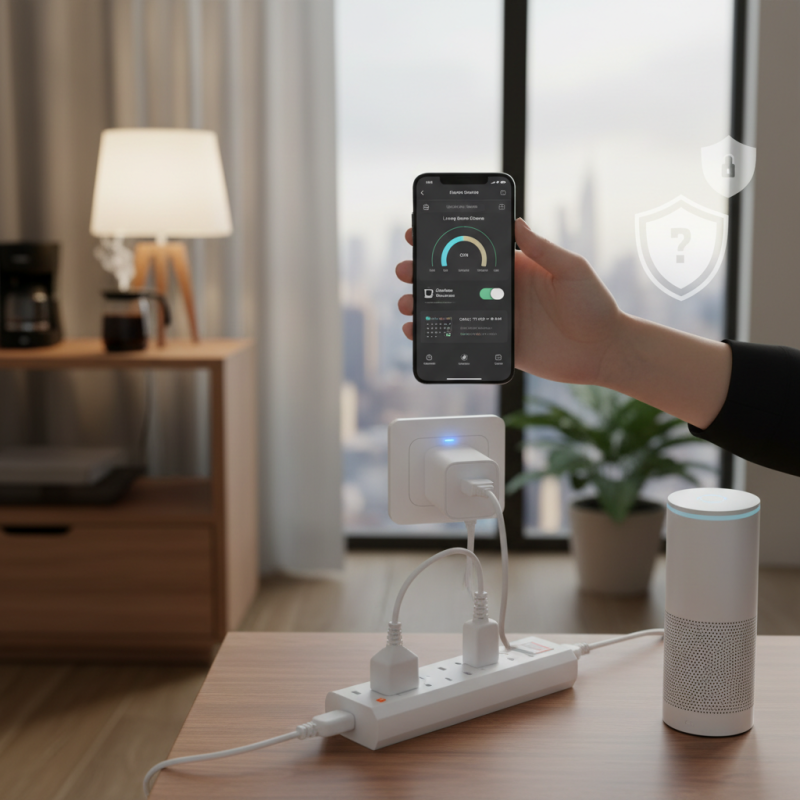
Smart plug outlets are versatile devices that enhance home automation. These outlets allow users to control electrical appliances remotely via smartphone applications. According to a report by MarketsandMarkets, the smart plug market is expected to grow from $7.8 billion in 2020 to $21.3 billion by 2025. This rapid growth demonstrates the increasing demand for smarter home solutions.
The functionality of smart plug outlets is quite straightforward. Users connect the plug to a regular outlet and pair it with their home's Wi-Fi network. Once set up, they can manage their devices from anywhere. Features often include scheduling, energy monitoring, and voice control capabilities. However, some users may find the setup process challenging. Connectivity issues can arise, affecting appliance control.
In terms of energy efficiency, smart plugs can reduce electricity consumption. A report from the International Energy Agency states that connected devices can save users up to 15% on their energy bills annually. Nonetheless, not all smart plugs are created equal. Quality varies widely, and compatibility with certain devices might limit usability. Considering these factors is essential for making informed purchasing decisions.
Key Features of Smart Plug Outlets
Smart plug outlets are versatile devices that enhance home automation. They provide users with the ability to control their electronic devices remotely, offering a significant level of convenience. With a simple app on your phone, you can turn devices on and off from anywhere. This feature is particularly useful for managing lights, fans, and other appliances.
One of the key features of smart plug outlets is energy monitoring. Many models track energy consumption in real-time. This can help identify which devices use the most energy, potentially lowering utility bills over time. Additionally, scheduling is another significant aspect. Users can set timers for devices, ensuring lights turn off automatically or appliances run only when needed. However, it’s essential to keep in mind that connectivity issues can sometimes disrupt these schedules.
Voice control integration is also a common feature. Many smart plugs can work seamlessly with voice assistants, providing hands-free control. This can be a game-changer for users with mobility challenges. Still, it’s important to understand that not all smart plugs are created equal. Some may have limited compatibility with certain devices or ecosystems. Always check compatibility before purchasing to avoid disappointment.
How Smart Plug Outlets Function: A Step-by-Step Process
Smart plug outlets are innovative devices that offer convenience for modern-day living. They connect to your home Wi-Fi network, allowing remote control of electrical appliances. Using a smartphone app, users can switch devices on or off from anywhere. This function is particularly useful for hard-to-reach outlets or for managing energy consumption.
Understanding how smart plug outlets function involves a few critical steps. Once plugged into a standard outlet, the device connects to Wi-Fi. Users can then create a unique account on an associated app. With this account, specific commands can be sent to the smart plug. Scheduling options can be set, letting users automate when things turn on or off. This can lead to energy savings, but it requires awareness of usage patterns.
Although the technology is user-friendly, it has limitations. Connectivity issues may occasionally disrupt functionality. Not all devices are compatible, and specific settings can be confusing. Users might find that their smart plugs offer great potential but sometimes require troubleshooting. Overall, smart plug outlets enhance home automation while also presenting unique challenges that require patience and understanding.
Benefits of Using Smart Plug Outlets
Smart plug outlets have gained popularity for their versatility and convenience. These devices enable users to control home appliances remotely, facilitating energy management. According to a 2023 report by the International Energy Agency, smart home devices can reduce energy consumption by approximately 10-30%. This statistic underscores the potential for smart plugs to lower electricity bills while promoting sustainable living.
Using smart plug outlets offers various benefits. They enhance homeowner convenience, allowing individuals to schedule appliances, like turning on coffee makers remotely. Moreover, they can improve home security by simulating presence. A user may set lights on a timer to deter intruders, which can be particularly useful for extended absences. However, potential challenges exist, such as the complexities of integration with existing smart home systems. Users may encounter compatibility issues, leading to frustration.
Tips for effective use of smart plugs include optimizing your Wi-Fi connection. A strong signal is essential for reliable performance. Avoid placing plugs far from your router or in areas with heavy interference. Consider also monitoring energy use through the smart plug's app, if available. This can guide users toward making better energy decisions. Remember that while smart plugs are convenient, too many devices can complicate your network and lead to connectivity issues.
Benefits of Using Smart Plug Outlets
Common Applications of Smart Plug Outlets in Daily Life
Smart plug outlets are revolutionizing daily life. These devices connect regular appliances to Wi-Fi, allowing users to control them remotely. This provides convenience and enhances energy efficiency. Imagine brewing coffee with a simple voice command or having the lights turn on automatically at sunset. Such ease is becoming a daily norm for many.
Common applications abound. Homeowners frequently use smart plugs for lights and fans. They can also schedule devices to save energy or enhance security. For example, a smart plug can make it appear that someone is home by turning lights on and off. This simple tactic deterrents potential intruders. Additionally, people use them for holiday decorations, activating lights without the need to crawl under tables or behind furniture.
However, reliance on technology can raise concerns. Not all plugs are user-friendly, and setup can sometimes be frustrating. Additionally, connection issues may arise, which may lead to inconvenience. Balancing convenience with these challenges is vital. Users should weigh the benefits against potential frustrations in their daily lives.