
Choosing among China’s leading Three Phase Transformer manufacturers takes more than comparing prices or factory photographs. Buyers should examine rated capacity, voltage ratio, cooling method, insulation system, efficiency data, and test documentation. A nameplate is only the beginning. The real question is whether the unit fits the site’s load profile, ambient conditions, and maintenance capabilities.
Michael Faraday, whose work on electromagnetic induction helped establish the science behind transformers, wrote, “Nothing is too wonderful to be true, if it be consistent with the laws of nature.” That principle suits equipment procurement: claims should be supported by measurable results. Ask for routine test reports, applicable certifications, winding and core details, and clear warranty terms. Then compare delivery capacity and after-sales support, not just catalog specifications.
This guide examines three Chinese manufacturers through those practical lenses. It considers product range, engineering evidence, quality controls, and service responsiveness. A supplier may look strong on paper yet provide limited information about testing or field support. That matters. Publicly available details can also be incomplete, and rankings are not a substitute for technical due diligence. The right choice depends on the application, not a headline.
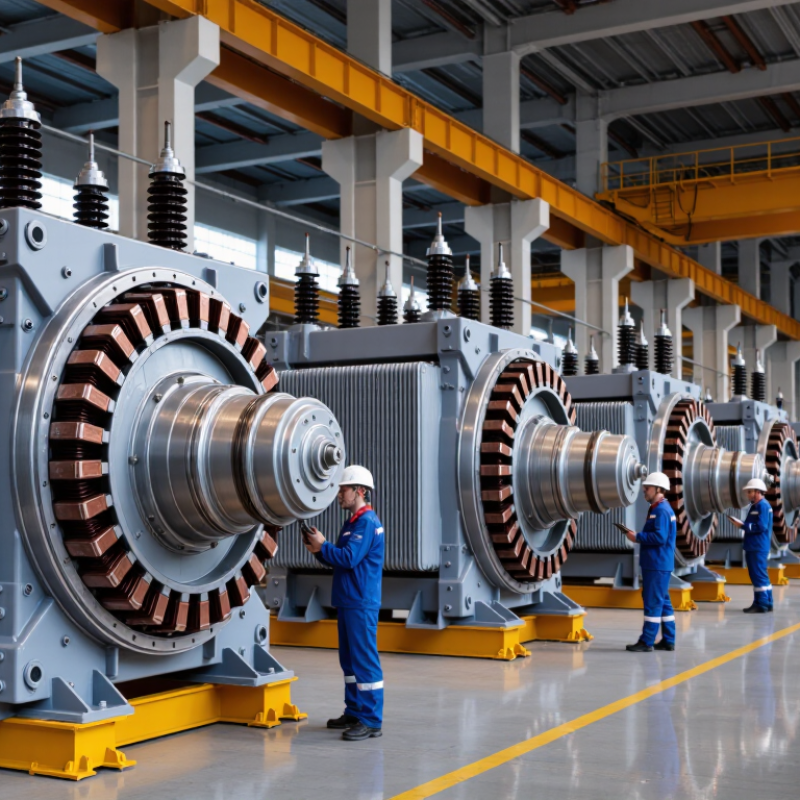
A three-phase transformer transfers electrical energy between circuits while changing voltage levels. It works with three alternating currents, separated by 120 degrees, rather than a single phase. Inside the tank, a laminated steel core guides magnetic flux between primary and secondary windings. These windings may be connected in delta or wye, depending on the system’s voltage and grounding needs. No moving parts. The transformer does not create energy; it trades voltage for current while keeping power approximately consistent, minus operating losses.
You will find these units at factories, commercial buildings, and utility substations. A plant might use one to reduce incoming distribution voltage for motors, pumps, and production equipment. The nameplate matters: check rated power, voltage ratio, frequency, impedance, cooling method, and permitted temperature rise. The label can mislead. A suitable unit depends on load patterns and installation conditions, not just its advertised capacity. In China, manufacturers produce many designs for domestic and export applications, but specifications and test records should be reviewed carefully. I would also ask about sound levels and maintenance access; these practical details are easy to overlook. A compact transformer may fit the room, yet leave too little space for safe inspection.
This table compares three common three-phase transformer product categories, not individual manufacturers or a verified company ranking. Product specifications vary by design and project requirements.
| Comparison Dimension | Oil-Immersed Distribution Transformer | Dry-Type Distribution Transformer | Power Transformer |
|---|---|---|---|
| What it does | A three-phase transformer transfers AC electrical energy between circuits by electromagnetic induction. It is commonly used to step voltage up or down while operating at the same frequency. | ||
| Typical application | Utility distribution networks and outdoor substations. | Commercial buildings, industrial facilities, and indoor substations where liquid insulation is not preferred. | Transmission networks, generating stations, and major substations. |
| Insulation and cooling | Windings and core are immersed in insulating liquid, commonly mineral oil or an ester fluid. Cooling arrangements depend on the design. | Uses solid insulation and air cooling. Natural-air and forced-air arrangements may be used, depending on the design. | Often uses liquid insulation and a specified cooling system; the arrangement is selected for the transformer rating and operating conditions. |
| Installation considerations | Requires suitable containment and fire, environmental, and maintenance provisions based on the site and insulating liquid. | Often selected for indoor locations; ventilation, ambient conditions, and fire-safety requirements still need to be assessed. | Requires site-specific planning for transport, foundations, cooling equipment, protection, and maintenance access. |
| Winding connections | Star (Y), delta (Δ), and other connection arrangements may be specified. The vector group determines phase displacement and whether a neutral point is available. | ||
| Core construction | A three-phase unit may use a common three-limb core. Another possible arrangement is a bank of three single-phase transformers. | ||
| Relevant IEC standards | IEC 60076 series, as applicable to the transformer design and requirements. | IEC 60076-11 for dry-type power transformers; other applicable parts of the IEC 60076 series may also apply. | IEC 60076 series, with applicable parts selected according to transformer type and requirements. |
| Key information to check when selecting a supplier | Rated power and voltages, frequency, vector group, impedance, losses, insulation and cooling system, applicable standards, routine and type-test documentation, warranty, and after-sales support. | ||
China’s three-phase transformer industry is organized as a network, not a simple list of leading factories. Core materials include electrical steel, copper or aluminum conductors, insulation, tanks, and cooling equipment. Specialized suppliers provide these inputs, while transformer manufacturers design and assemble units for different voltage levels and operating conditions. Some factories concentrate on standard distribution models; others handle custom equipment for industrial plants, substations, or renewable-energy projects.
Testing and engineering are part of the structure, too. A transformer may undergo checks for insulation strength, winding resistance, temperature rise, and operating losses before shipment.
That matters.
Buyers often assess a manufacturer’s technical documentation, production controls, and ability to support installation—not just its advertised capacity. Regional supplier networks can shorten delivery times, though the picture is not perfectly neat. Capabilities vary between factories, and a large production site does not automatically mean stronger quality control. There is no perfect map of the industry; specifications, inspection records, and clear communication offer a more practical way to understand how each manufacturer fits into the supply chain.
When comparing Chinese three-phase transformer manufacturers, start with the duty the unit must perform. Record voltage, frequency, load profile, cooling method, installation environment, and expected service life. A quotation is only useful when suppliers price the same specification. Small wording differences can change the design.
Ask for drawings, material details, and test records for the proposed model. Check documented losses, impedance, temperature rise, insulation levels, and applicable standards against your project requirements. Numbers need context. Confirm whether routine tests are performed on every unit, and whether witnessed or type tests can be arranged. A polished brochure is not a substitute for traceable reports. If possible, review the test area or arrange an independent factory inspection.
Production capacity matters, but so do quality controls and support after delivery. Ask how incoming electrical steel and winding materials are checked, how production changes are recorded, and who handles installation questions or warranty claims. Speak with customers using similar ratings and operating conditions; one reference is helpful, but not definitive. Compare lead times, spare-part availability, packaging, and the full delivered cost, including testing and commissioning. I would be cautious about ranking suppliers by price alone. It is easy to overlook a detail, so keep a written comparison sheet and verify every assumption before ordering.
Illustrative evaluation weights for comparing manufacturers; these are buyer-defined priorities, not company scores or market statistics.
Assess each supplier using documented evidence, such as test reports, verified efficiency data, applicable certifications, warranty terms, and delivery records. Adjust the weights to match your project requirements.
China’s transformer manufacturers serve a fast-changing grid. China Electricity Council data put national electricity use at 9.22 trillion kWh in 2023, up 6.7 percent. That growth raises demand for reliable capacity and efficient equipment. The first profile is a large-grid specialist, typically focused on high-voltage power transformers, factory testing, and utility-scale delivery. Its strength is engineering depth. Buyers should still check lead times and service coverage.
The second profile is an industrial transformer producer. It commonly serves factories, commercial buildings, and renewable-energy projects with distribution and dry-type units. Low noise and easier indoor installation can matter as much as rated capacity.
The third profile is a regional supplier with a broad distribution range and closer field support. It may suit projects needing flexible delivery, but its engineering range needs careful verification.
The International Energy Agency’s 2023 report, Electricity Grids and Secure Energy Transitions, says annual global grid investment must exceed USD 600 billion by 2030, roughly doubling current levels. This is a worldwide estimate, not a China-specific transformer forecast. Useful context, but not a purchasing guarantee. Compare temperature-rise test records, loss figures, and after-sales response times. One detail is often missed: published efficiency claims may not match a buyer’s actual load profile.
Three-phase transformers serve factories, commercial buildings, water plants, and renewable energy sites. In a factory, they may feed motors, welding equipment, or production lines that run for long shifts. Offices and hospitals often need steady power for HVAC systems, lifts, and sensitive equipment. Solar and wind installations bring different load patterns. The application matters.
When comparing manufacturers in China, match the transformer’s rated capacity, input and output voltages, frequency, and connection group to the actual system. Ask how the design handles peak loads, temperature, and the installation environment. A dusty workshop or humid coastal site may need different protection from a clean indoor electrical room. Check efficiency, sound levels, cooling method, insulation materials, and expected maintenance needs. A low price can distract from these details.
Request test reports, drawings, material specifications, and clear warranty terms. Ask what routine and type tests are performed, and whether test results can be linked to the unit’s serial number. Production capacity and delivery schedules matter, but so does access to technical support after installation. A brochure is not proof. It is easy to focus on efficiency figures and overlook service response time; that deserves a second look. Compare documented performance and practical support, not just headline ratings.