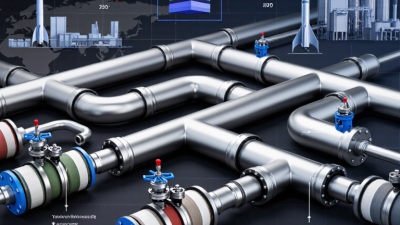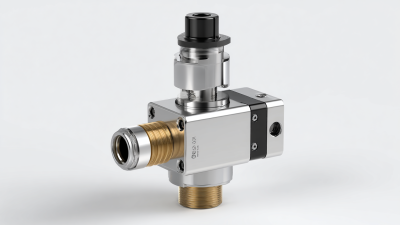
Choosing among China’s top vacuum jacketed piping suppliers requires more than comparing prices, catalogs, or polished factory photographs. A reliable evaluation examines vacuum stability, heat-leak performance, material traceability, weld quality, and installation support. These details matter when liquid nitrogen, oxygen, hydrogen, or LNG moves through a facility at extremely low temperatures. A small defect near a flange can become visible through frost, pressure loss, or unstable process flow.
Klaus D. Timmerhaus, a leading cryogenic engineering authority, wrote, “Cryogenics is the science and technology of temperatures below 120 K.” His definition explains why vacuum jacketed piping demands specialized design rather than ordinary insulated pipe. Suppliers should demonstrate experience with multilayer insulation, stainless-steel fabrication, vacuum testing, and controlled thermal contraction. They should also provide inspection records, pressure-test results, dimensional drawings, and clear maintenance guidance. Certification to relevant standards, such as ASME B31.3 or EN 13480, strengthens confidence, but documents alone are not enough.
Field experience reveals the difference.
A strong supplier asks about routing, supports, cooldown cycles, vibration, and emergency isolation. It does not simply recommend a standard length. Site conditions may expose weaknesses that factory testing misses. That is an uncomfortable reality. Some suppliers offer excellent components but limited commissioning support. Others communicate well but lack deep cryogenic references. This guide compares leading Chinese manufacturers through technical capability, quality systems, customization, delivery reliability, and after-sales service. The goal is not to declare one universal winner. It is to identify the supplier that fits your operating temperature, pressure range, project risk, and long-term performance expectations.

Vacuum jacketed piping places an inner process pipe inside a larger sealed pipe. The space between them is evacuated, reducing convection and conduction. This design limits heat entering cryogenic fluids and slows pressure rise. It is used for liquefied natural gas, liquid nitrogen, oxygen, argon, and hydrogen. Typical sites include storage tanks, filling stations, laboratories, hospitals, and semiconductor plants.
The demand is substantial. The International Gas Union reported about 404 million tonnes of global LNG trade in 2023.
The International Energy Agency also estimated global hydrogen demand at nearly 97 million tonnes that year.
These figures support continued investment in reliable cryogenic transfer systems. However, piping selection requires more than a low quoted price. Engineers should check vacuum stability, material compatibility, thermal contraction, joint design, pressure testing, and emergency relief planning.
In practical installations, a failed vacuum can create frost on the outer jacket within hours. That detail matters. Suppliers should provide measurable heat-leak data, leak-test records, welding qualifications, and maintenance guidance.
Standards such as ASME B31.3 and relevant pressure-equipment requirements help establish a safer design basis. Yet no specification replaces field inspection. Alignment errors, poor supports, and repeated thermal cycling can still weaken performance.
The industry sometimes focuses too heavily on polished datasheets. Real operating records deserve equal attention.
Choosing China’s vacuum jacketed piping suppliers requires more than comparing quotations. Grand View Research and MarketsandMarkets’ 2024 assessments project roughly 6–8% annual growth in cryogenic equipment demand. That growth attracts capable factories, but also inexperienced traders. Ask for project references, factory ownership details, and traceable material certificates. A serious supplier should provide pipe-size records, vacuum levels, heat-leak measurements, weld procedures, and pressure-test results. Look for testing aligned with ISO 21009-1, EN 13480, or applicable local standards.
Inspect the technical details closely. What is the measured heat leak at operating temperature? How long does the annular vacuum remain stable after shipment? Do expansion joints match the real thermal contraction? Request factory acceptance testing with calibrated instruments, signed data sheets, and photographs of weld inspection. I have found that polished documents can hide weak field support. Insist on installation drawings, lifting instructions, spare-seal guidance, and a named engineer for commissioning. Small omissions become expensive when liquid nitrogen or LNG service begins.
Supplier reliability also depends on production discipline. Review nonconformance records, inspection checkpoints, vacuum-pump maintenance, and packaging for long-distance transport. The 2024 IEA Global Hydrogen Review highlights continuing infrastructure expansion, yet project schedules remain sensitive to equipment delays. A lower price may therefore be misleading. Personally, I would score technical evidence above sales claims, while leaving room for doubt: one successful reference does not prove consistent quality. Ask difficult questions, and record every answer.
| Evaluation Dimension | Weight | Recommended Benchmark | Key Technical or Commercial Indicators | Verification Evidence to Request |
|---|---|---|---|---|
| Applicable Standards and Compliance | 15% | Products should be designed, fabricated, inspected, and tested according to the standards specified for the project and destination market. | Material traceability; welding procedure qualification; pressure and leak testing; conformity documentation; export compliance capability. | Applicable standard list, inspection and test plan, conformity certificates, welding qualifications, and sample quality records. |
| Thermal Performance and Vacuum Quality | 15% | Stable vacuum insulation performance with documented test conditions and acceptance criteria. | Vacuum level, heat-leak performance, insulation configuration, multilayer insulation quality, vacuum-jacket integrity, and holding performance. | Factory vacuum test reports, heat-leak test data, vacuum-retention records, and the proposed performance guarantee. |
| Material and Product Configuration | 12% | Materials and wall thicknesses should match the fluid, temperature, pressure, corrosion conditions, and applicable design code. | Inner pipe material; outer jacket material; pipe schedule; design pressure; operating temperature; fittings; supports; expansion provisions. | Approved material list, technical datasheets, engineering calculations, drawings, and material certificates. |
| Engineering and Customization Capability | 12% | Supplier should be able to deliver project-specific layouts, isometric drawings, support details, and installation interfaces. | Route optimization; prefabricated spool design; valve-box arrangement; thermal contraction analysis; connection design; BIM or CAD support. | Anonymized project drawings, sample calculations, design review procedure, and engineering staffing information. |
| Manufacturing and Quality Control | 12% | Documented production controls should cover incoming materials, forming, welding, cleaning, assembly, testing, and final inspection. | Shop cleanliness; controlled welding environment; dimensional inspection; surface treatment; cleanliness level; non-destructive testing; batch tracking. | Quality manual, process flow chart, inspection forms, calibration records, non-destructive testing procedures, and factory audit access. |
| Delivery Capacity and Lead-Time Control | 10% | The supplier should provide a realistic schedule linked to approved drawings, material procurement, production, testing, packing, and shipment. | Monthly production capacity; critical-path items; material availability; schedule controls; export packing; documentation readiness. | Detailed manufacturing schedule, capacity statement, sample production plan, logistics plan, and records of comparable deliveries. |
| Installation and Commissioning Support | 8% | Clear installation instructions and technical support should be available for field assembly, vacuum maintenance, and system commissioning. | Site supervision; installation training; jointing procedures; vacuum pumping guidance; leak troubleshooting; spare-parts support. | Installation manual, commissioning checklist, service response procedure, training plan, and after-sales contact structure. |
| Commercial Transparency and Total Cost | 8% | The quotation should allow like-for-like comparison and clearly separate equipment, engineering, testing, packing, freight, and optional services. | Unit pricing; scope exclusions; payment terms; tooling charges; spare parts; warranty terms; shipping basis; lifecycle cost considerations. | Itemized quotation, commercial deviation list, warranty statement, payment schedule, and total-cost comparison sheet. |
| References and Operational Track Record | 5% | Relevant experience should cover comparable cryogenic or low-temperature applications, project scale, materials, and operating conditions. | Years of relevant manufacturing experience; completed project types; repeat orders; failure history; customer service performance. | Verifiable project references, anonymized delivery records, client contacts where permitted, and documented corrective-action history. |
| Risk Management and Communication | 3% | The supplier should identify technical, schedule, logistics, and interface risks before contract award. | Response speed; technical clarification quality; change-control process; escalation path; contingency planning; document-control discipline. | Risk register, communication matrix, document index, change-order procedure, and sample technical clarification log. |
| Total Evaluation Score | 100% | Use a consistent score, such as 1–5, for each dimension. Multiply each score by the assigned weight and compare suppliers on a like-for-like basis. | ||
China-based vacuum jacketed piping manufacturers are gaining attention as LNG, hydrogen, and industrial gas projects expand. Grand View Research valued the global cryogenic equipment market at more than USD 20 billion in 2023, with continued growth expected through 2030. This trend increases demand for reliable low-temperature transfer systems.
Experienced manufacturers usually provide stainless steel inner pipes, vacuum-insulated jackets, bayonet joints, and custom supports. Buyers should inspect weld procedures, helium leak-test records, vacuum decay data, and material certificates. A practical factory audit may include checking orbital welding, surface cleaning, and final pressure testing. Small details matter. Poor alignment can create stress at site connections.
Industry reports from MarketsandMarkets also identify energy efficiency and hydrogen infrastructure as major cryogenic equipment drivers. However, product drawings alone cannot prove manufacturing capability. Ask for project references, factory acceptance test procedures, and documented inspection points. Suppliers should explain expected heat leak, vacuum performance, operating temperature, and installation tolerances in clear terms.
No manufacturer is perfect. Some technical documents may contain gaps or inconsistent test descriptions. That is a warning, not an automatic rejection. Require clarification before purchase.
Strong China-based manufacturers combine engineering support, traceable materials, controlled welding, and responsive after-sales service. Their value is measured in stable vacuum performance, safer installation, and fewer field modifications.
Selecting China’s top vacuum jacketed piping suppliers requires more than comparing price lists. Product standards should match the fluid, pressure, temperature, and installation environment. Reputable manufacturers can provide material certificates, welding procedures, pressure records, and traceable inspection reports. Ask which standard applies. Common references include ASME B31.3, EN 13480, and relevant cryogenic design requirements. Compliance should be documented, not simply promised.
Customization affects both performance and installation time. Suppliers may adjust inner pipe diameter, jacket clearance, support spacing, joint design, valve positions, and instrument connections. They should also review transport limits and field assembly conditions. Small details matter. A few millimeters of clearance can influence insulation performance and maintenance access. During technical reviews, request a dimensional drawing, thermal calculation, and interface schedule before production begins.
Quality control should cover materials, welding, cleanliness, vacuum integrity, and final packaging. Helium leak testing, vacuum hold testing, weld inspection, and thermal cycling provide stronger evidence than polished surfaces. Measure it twice. A clean appearance proves little. Inspection points should be recorded with serial numbers and linked to each pipe section. Factory acceptance testing can reveal weak seals or unstable vacuum levels before shipment. No supplier is perfect, and even experienced teams may overlook a difficult installation constraint. That risk deserves an honest review, not a confident assumption.
Selecting the right vacuum jacketed piping supplier starts with your process, not a sales catalogue. Define fluid, temperature, pressure, flow rate, pipe length, and required cooldown time. Liquid nitrogen, hydrogen, and oxygen demand different materials and safety controls. A reliable supplier should provide thermal calculations, vacuum design details, weld procedures, and helium leak-test records. Ask for evidence, not promises.
The IEA’s Global Hydrogen Review 2024 reports global hydrogen demand reached about 97 million tonnes in 2023. That growth increases pressure on cryogenic infrastructure and delivery reliability. For each proposal, compare heat leak, vacuum stability, insulation thickness, and estimated boil-off. Require compliance with relevant sections of ASME B31.3, ISO 21009-1, or applicable regional standards. Also inspect the supplier’s factory process. Check orbital welding, cleaning controls, dimensional inspection, and pressure testing. Small documentation gaps can become expensive site problems.
Do not select by price alone. A cheaper line may need more supports, longer installation, or repeated vacuum recovery. Request references for projects with similar fluid, diameter, and operating temperature. Review commissioning procedures, spare seals, response times, and warranty boundaries. One overlooked detail is field alignment; thermal contraction can stress connected equipment. I have seen specifications look complete while excluding flexible sections and support loads. That deserves a second review. The best supplier should explain limitations clearly, accept design questions, and provide traceable records from raw material to final test.
Cryogenic service temperature is a key supplier-selection criterion. The chart shows normal boiling points at approximately 1 atm for common fluids transported through vacuum-jacketed piping. Choose a supplier that can verify design temperature, vacuum performance, thermal contraction, material compatibility, and applicable code compliance for your specific medium.
Reference values: nitrogen −195.79°C, oxygen −182.96°C, methane −161.50°C, and hydrogen −252.87°C at approximately 1 atm. Actual project conditions may vary with pressure, purity, and operating requirements.