What Is a Valve Tag and Why Is It Important?
A valve tag may look like a small metal plate, yet it carries operational meaning. It identifies a valve’s function, location, service, and sometimes its safety role. In a crowded plant, that information can prevent a worker from turning the wrong handle. A clear valve tag also connects field equipment with drawings, inspection records, maintenance schedules, and emergency procedures.
M. L. Nayyar, a respected piping and valve authority, emphasizes the value of precise identification: “Clear identification is essential for the safe operation and maintenance of piping systems.” His observation explains why a valve tag is more than a label. It becomes a physical reference point between engineering documents and real equipment. For example, a tag reading “FV-204, Cooling Water Supply” gives technicians a faster visual check than a faded paint mark or memory alone. Small detail. Serious consequence.
However, valve tagging is not automatically reliable. Tags can corrode, loosen, become unreadable, or differ from outdated drawings. That weakness deserves attention. A well-designed system should use durable materials, consistent numbering, readable text, and regular field verification. It should also reflect actual operating conditions, not only original project records. This article explores what a valve tag contains, how it supports safety and maintenance, and why disciplined tag management matters. The label is simple. The responsibility is not.
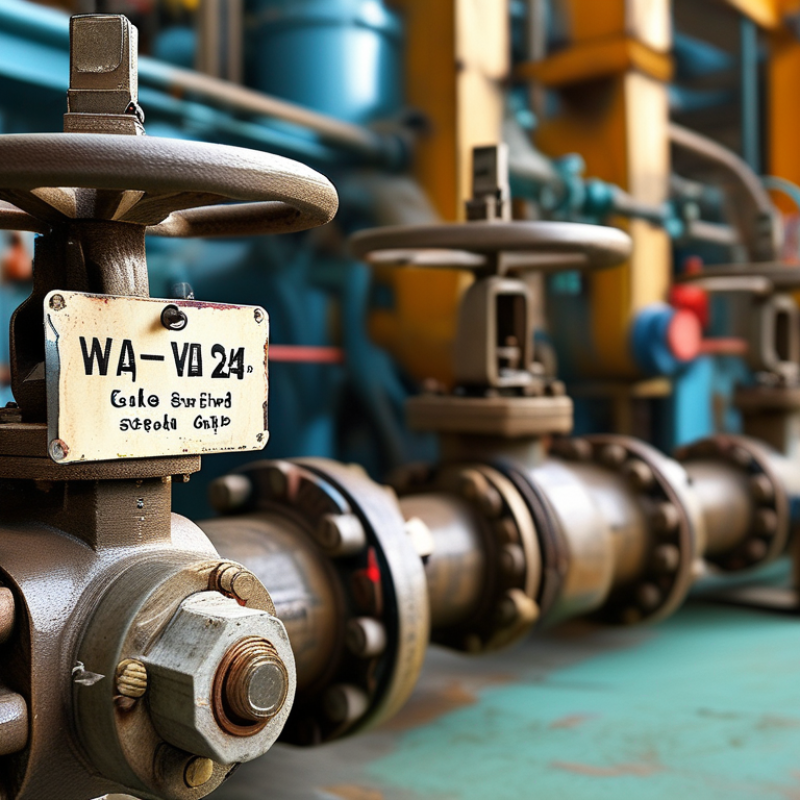
Valve Tag Definition and Its Role in Industrial Asset Identification
A valve tag is a durable identification marker attached to a valve, actuator, or connected line. It usually shows a unique number, service name, flow direction, and sometimes operating details. The tag links the physical valve to drawings, maintenance records, inspection reports, and digital asset registers. Without that link, a technician may see several similar valves but lack reliable proof of their functions.
In field inspections, a clear tag can reduce hesitation during isolation, testing, or scheduled maintenance. A technician can compare the tag with the piping and instrumentation diagram before touching equipment. The same number should appear in the work order and asset database. That consistency supports traceability and helps different teams communicate accurately. Small details matter. A faded number can create serious confusion.
Valve tags are not perfect by themselves. They can loosen, corrode, or reflect an outdated process arrangement. Records can drift. For that reason, competent teams verify the tag against location, line markings, valve type, and approved drawings. I have seen a readable tag still point to an incorrect record after equipment changes. That failure deserves attention, not blame. Regular inspections should confirm tag material, attachment strength, legibility, and data accuracy. A well-managed valve tag becomes more than a label; it becomes practical evidence that an industrial asset is correctly identified.
Core Tag Data: Valve ID, Service, Size, Rating, and Flow Direction
What Is a Valve Tag and Why Is It Important?
A valve tag is a small control point with a major safety role. It connects field equipment to drawings, permits, and maintenance records. The tag should show a unique valve ID, such as HV-2047. It should also state the service, size, pressure rating, and flow direction. “Cooling water” is clearer than “water.” A painted arrow should match the actual process flow. It should not merely match an old drawing. ISA-5.1 provides conventions for identifying instruments and process equipment. API 6D also emphasizes clear valve identification within pipeline systems.
The U.S. Bureau of Labor Statistics recorded 5,283 fatal occupational injuries in 2023. That number does not isolate valve-related events. Still, it shows why small identification errors deserve serious attention. A technician facing a six-inch, Class 300 steam valve needs usable information immediately. The tag should resist heat, chemicals, sunlight, and routine cleaning. It should remain readable from the normal working position. OSHA’s Process Safety Management framework requires reliable process information and safe operating procedures. A missing service label can weaken both. One detail is often missed: flow direction may change after a modification. Tags, P&IDs, and field conditions should be checked together. Human memory is not a control measure. Mistakes happen, especially during rushed shutdowns.
Safety Impact: OSHA Links LOTO to 120 Fatalities and 50,000 Injuries
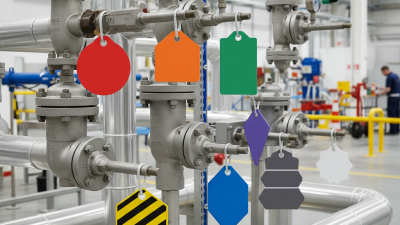
A valve tag is a durable label attached near a valve, showing its identification, service, and operating status.
It may include a valve number, pipeline contents, flow direction, or a warning such as “Do Not Operate.”
In a busy mechanical room, a clear tag helps technicians match the correct valve with drawings and work instructions. Color, contrast, and readable text matter when lighting is poor.
The safety impact becomes serious during lockout/tagout work.
OSHA has reported that proper energy-control procedures can prevent
about 120 fatalities and 50,000 injuries each year.
A valve tag supports this process, but it does not isolate energy by itself. Workers must identify every energy source, shut down equipment, apply locks, and verify zero energy before starting maintenance. One wrong valve can leave pressure trapped inside a line. That pressure may release without warning.
A reliable tag should remain visible after cleaning, vibration, heat, and moisture.
It should also match the site’s records. Small discrepancies deserve attention. A faded number or missing flow arrow can create dangerous hesitation, or worse, false confidence. Authorized workers should confirm the tag in the field, compare it with current documentation, and test isolation using approved procedures. A second-person verification may take minutes. It can prevent a life-changing mistake.
Tag Design, Placement, Verification, and Lifecycle Control
What Is a Valve Tag and Why Is It Important?
A valve tag is a field-level identity for a valve, line, or service. Good design uses a unique ID, service description, flow direction, and safety status. The lettering must remain readable through dust, heat, vibration, and routine cleaning.
A small tag is easy to install, but difficult to read from a safe distance.
Placement matters. Technicians should see the tag before reaching the valve, not after entering a restricted area. Tags should sit near the operating point, avoid handwheels and insulation gaps, and match the piping and instrumentation diagram.
The UK Health and Safety Executive has cited maintenance-related failures as contributors to about 25% of major accidents. That figure makes poor identification more than an administrative weakness.
Verification needs field evidence. A second person can compare the tag, valve position, line number, and current drawing. OSHA’s FY2023 Top 10 data recorded 2,554 lockout/tagout violations, showing how control failures remain common.
Tags should be checked during commissioning, maintenance, modification, and shutdown work. They also need lifecycle control: corrosion-resistant materials, revision history, removal of obsolete tags, and documented approval.
Human error still happens. A tag can be clear yet attached to the wrong valve. That uncomfortable possibility deserves a deliberate walkdown, not an assumption.
Experienced teams photograph final placement, record discrepancies, and correct them before handover. Sometimes the smallest label carries the largest operational consequence.