Why Is Welding Protection Crucial for Safety in Metal Work?
Welding Protection is critical in metal work due to the inherent dangers involved. According to the Occupational Safety and Health Administration (OSHA), more than 500,000 workers are exposed to welding hazards each year. These hazards include burns, electric shocks, and exposure to harmful fumes. Without adequate protection, these risks increase significantly. Proper welding gear plays a crucial role in mitigating these dangers.
Welders face risks from ultraviolet light and sparks. The American Welding Society reports that up to 20% of welding-related injuries result in severe consequences. Protective equipment, like helmets and gloves, can prevent painful injuries and long-lasting health issues. Yet, some workers still neglect proper safety measures. This oversight can lead to life-changing accidents and even fatalities.
Every welder must prioritize their safety with the right welding protection. It is essential not only to comply with safety regulations but also to protect one's health. Investing in quality welding gear is a small price to pay for peace of mind. Ignoring safety protocols is a risk no welder should take lightly.
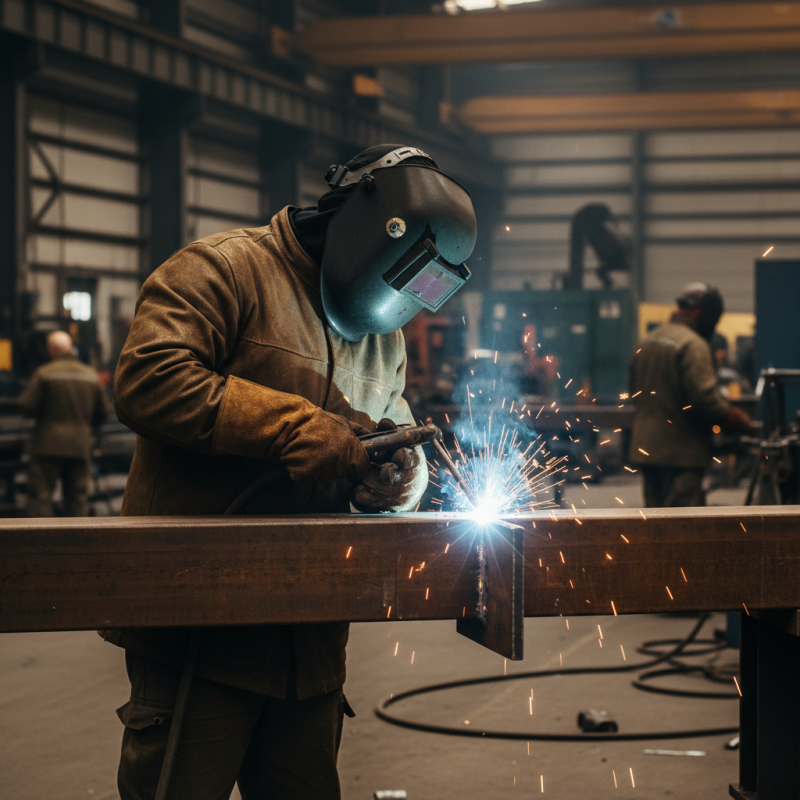
Understanding the Hazards of Welding in Metal Work
Welding is an essential process in metal work, but it comes with significant hazards. The heat generated during welding can cause burns. Sparks and molten metal can easily ignite nearby materials. Inhalation of harmful fumes poses serious health risks. Understanding these hazards is crucial for anyone involved in welding.
Workers should wear appropriate gear to protect themselves. Use helmets with proper filters to shield your eyes. Gloves, long sleeves, and flame-resistant clothing are necessary. Always work in well-ventilated areas to avoid toxic fume accumulation. Regularly check your safety equipment for wear and tear.
It's important to be aware of surroundings while welding. Any overlooked object can become a fire hazard. Train your team on emergency procedures. Mistakes happen, but being prepared can minimize damage. Remember, ensuring safety is a continuous process that requires vigilance.
The Importance of Personal Protective Equipment (PPE) in Welding
Welding presents unique hazards, making protective gear essential for safety. Personal Protective Equipment (PPE) protects welders from harmful exposures. According to the National Institute for Occupational Safety and Health (NIOSH), welding-related injuries can be severe, with over 50,000 incidents reported annually. These injuries often stem from exposure to harmful UV rays, burns, and fumes.
Proper PPE includes helmets, gloves, and flame-resistant clothing. A welding helmet shields the eyes and face from intense light and sparks. Lightweight gloves allow for dexterity while protecting hands from heat. However, many workers overlook gear maintenance. A torn glove or an unclean helmet can significantly reduce protection. Regular inspections are crucial.
The American Welding Society (AWS) emphasizes that 70% of injuries could be avoided with appropriate PPE. Yet, non-compliance remains an issue. Some workers feel invincible or disregard safety protocols when under time pressure. This mindset can lead to avoidable injuries. Creating a culture of safety requires ongoing training and reminders.
Key Safety Standards and Regulations for Welding Operations
Welding operations involve various hazards. The importance of safety standards cannot be overstated. According to the American Welding Society, nearly 50% of welding injuries stem from inadequate protection. Proper safety measures protect workers from burns, eye injuries, and exposure to toxic fumes.
Key regulations exist to promote safety in welding environments. The Occupational Safety and Health Administration (OSHA) outlines specifications for ventilation and protective gear. Compliance with these regulations reduces incident rates significantly. A report from the National Institute for Occupational Safety and Health (NIOSH) indicates that workplaces adhering to safety standards see up to a 40% decrease in accident rates.
However, the challenge remains. Many welders often overlook using personal protective equipment (PPE). Reports suggest that about 30% of welders do not consistently wear necessary protection. This ignorance can lead to severe health issues down the line. Training and awareness campaigns are crucial to bridge this gap. The commitment to safety should be an ongoing effort in every metalworking environment.
Best Practices for Maintaining a Safe Welding Environment
Welding is an essential part of metalwork, but it comes with risks. Maintaining a safe welding environment is crucial for preventing accidents and injuries. Proper safety gear and procedures can make all the difference.
Tips: Always wear protective clothing. Heavy gloves, face shields, and safety goggles are a must. These items help protect against sparks and UV radiation. Ensure your workspace has proper ventilation. This prevents the buildup of harmful fumes, which can lead to health issues.
In addition to gear, training is vital. Everyone involved in welding should understand safety protocols. Regularly review these procedures to reinforce their importance. Create a culture where safety is prioritized. Encourage team members to voice concerns about unsafe conditions. It’s about being proactive, not reactive.
Tips: Keep fire extinguishers nearby. Accidents can happen quickly. Easy access can save lives. Remember to inspect your equipment regularly. Worn out tools can lead to failures and create hazards. Don't overlook these critical details; they can be the difference between safety and danger.
Welding Protection: Crucial Measures for Safety in Metal Work
| Safety Measure | Description | Importance | Best Practices |
| Personal Protective Equipment (PPE) | Includes helmets, gloves, and goggles to protect against sparks, heat, and UV light. | Prevents severe injuries to the eyes and skin. | Regularly inspect and maintain PPE to ensure proper functionality. |
| Ventilation | Ensures that harmful fumes and gases are effectively removed from the workspace. | Reduces the risk of respiratory problems and maintains air quality. | Use exhaust fans and local ventilation systems during welding tasks. |
| Fire Safety | Controlling flammable materials and having fire extinguishers on hand. | Minimizes the risk of fire hazards related to sparks and heat. | Conduct fire safety drills and locate extinguishers easily. |
| Training and Awareness | Provides workers with the knowledge and skills needed for safe welding practices. | Ensures compliance with safety regulations and enhances worker confidence. | Schedule regular training sessions and refreshers on safety practices. |
| Equipment Maintenance | Regularly checking and maintaining welding machines and tools. | Prevents accidents caused by faulty or malfunctioning equipment. | Follow the manufacturer's maintenance schedule and keep records. |
Training and Education for Welders on Safety Protocols
Welding is a critical skill in metal work. However, it comes with significant risks. Proper training and education on safety protocols are essential for welders. Many new welders underestimate the hazards. They may overlook the importance of protective gear. This can lead to serious injuries and accidents.
Effective training programs should cover all aspects of welding safety. Welders need to understand the risks associated with fumes and heat. They should learn how to use personal protective equipment (PPE) correctly. Instructors must emphasize the need for constant vigilance. Real-life scenarios can help drive the point home. They also highlight the potential consequences of negligence.
Classroom learning is important, but hands-on experience is vital. Training should include using safety tools and emergency procedures. Welding can be unpredictable, and readiness is key. It's a skill that requires constant improvement. Regular refresher courses can address gaps in knowledge and skills. Safety should never be an afterthought. Welders must commit to ongoing learning to protect themselves and their colleagues.
Safety Protocols in Welding: Importance of Protection
This chart displays the percentage of welders who acknowledge various safety protocols as crucial in their work environment.