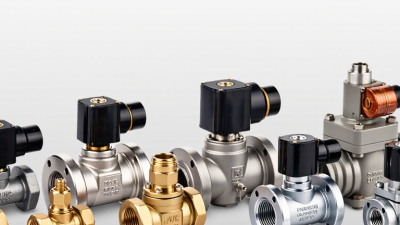
2026 Best Solenoid Valve Types for Global Buyers?
Choosing the best solenoid valve in 2026 requires more than comparing prices, connection sizes, or online ratings. Global buyers face different media, pressures, temperatures, voltage standards, and maintenance conditions. A valve controlling clean water may fail quickly in corrosive chemical service. The details matter.
Industry forecasts support this growing need for careful selection. Grand View Research estimates the global industrial valves market will continue expanding through 2030, driven by water treatment, energy, pharmaceuticals, and process automation. MarketsandMarkets also identifies automation, digital monitoring, and energy efficiency as major valve technology trends. Solenoid valve market estimates vary by research scope, but several reports predict steady growth through the decade. Their differences deserve attention. Market definitions are not always consistent.
This guide introduces the main solenoid valve types for international purchasing teams. It compares direct-acting, pilot-operated, semi-direct, normally closed, normally open, two-way, and three-way designs. It also considers body materials, seal compatibility, flow capacity, response time, ingress protection, coil voltage, and certification requirements. These factors influence installation safety and lifetime operating cost. A low-cost brass valve may look attractive, yet stainless steel could perform better in humid or chemically exposed environments. That assumption is risky.
Real-world experience remains essential. A specification sheet cannot reveal every pressure fluctuation, contaminated fluid, or maintenance delay. Buyers should verify manufacturer test data, traceable quality systems, warranty terms, and regional service support. Independent standards, including ISO 9001 practices and relevant electrical safety requirements, can strengthen supplier evaluation. No ranking fits every plant. The most reliable choice matches the valve design to the application, not merely the catalog headline.
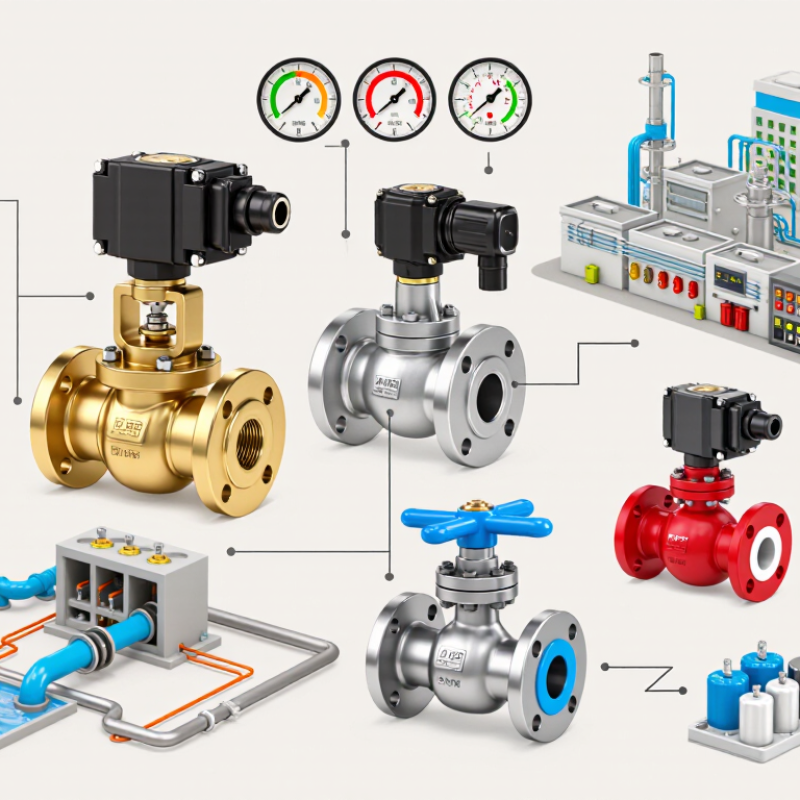
What Is a Solenoid Valve and How Does It Work?
A solenoid valve is an electrically controlled device that manages liquid or gas flow. It combines a coil, plunger, spring, and valve body. When voltage reaches the coil, it creates a magnetic field. The field pulls the plunger upward or sideways. This opens a small passage for the medium. When power stops, the spring usually returns the plunger. The valve then closes. Simple, but not foolproof.
Common types include normally closed, normally open, and three-way valves. Normally closed models stop flow without power. Normally open models allow flow until energized. Three-way designs redirect air, water, or other compatible media. The correct choice depends on pressure, temperature, flow rate, fluid cleanliness, and connection size. Coil voltage also matters. A mismatch can cause overheating or weak operation.
Tips: Confirm the medium before ordering. Check seals, body materials, response time, and duty cycle. Ask for test records when reliability matters. In field inspections, installers often focus on pipe size and overlook voltage stability. That mistake can produce intermittent movement. Buyers should also review regional electrical requirements and spare-part availability. Selection is rarely perfect. Real systems may need a pilot-operated valve, while dirty media may require a direct-acting design. A careful trial remains useful.
2026 Best Solenoid Valve Types for Global Buyers? – What Is a Solenoid Valve and How Does It Work?
A solenoid valve uses an electromagnetic coil to move a plunger or pilot mechanism, controlling the flow of air, water, gas, or other compatible media. Valve notation shows the number of ports first and the number of switching positions second. For example, a 3/2 valve has three ports and two switching positions, while a 5/2 valve has five ports and two switching positions.
2/2 valves are commonly selected for simple on/off flow control, 3/2 valves are widely used for single-acting pneumatic actuators, and 5/2 valves are commonly used to control double-acting pneumatic cylinders. The best choice depends on media compatibility, pressure, temperature, flow rate, voltage, and required fail-safe behavior.
Main Solenoid Valve Types and Their Operating Principles
For global buyers, solenoid valve selection starts with operating principles, not catalog labels.
A direct-acting valve uses a coil to lift the plunger and open the orifice. It works at zero pressure, but flow capacity is usually limited.
A pilot-operated valve uses line pressure to move the diaphragm or piston. It handles larger flow rates, yet it needs a minimum pressure difference.
Semi-direct designs combine both methods and can respond better under low-pressure conditions.
Two-way valves control one inlet and one outlet. Three-way valves divert, mix, or release flow, making them useful in pneumatic controls and process equipment.
Normally closed valves open after energizing. Normally open valves close after energizing.
The 2024 Grand View Research report estimated the global solenoid valve market at about USD 4.7 billion in 2023, with growth expected through 2030. That expansion reflects demand for compact automation, water equipment, and factory controls. Still, market growth does not remove basic sizing mistakes.
Tips:
Check pressure range, fluid temperature, seal compatibility, voltage, and response time together. Confirm whether the valve must remain safe during power loss. Test the real medium, not only clean water.
In field work, a pilot valve may look efficient but fail during weak pressure. I have also seen a correctly sized valve cycle poorly because the coil overheated.
The practical choice is sometimes less elegant. Allow space for maintenance, too.
How to Match Valve Materials, Sizes, and Specifications
2026 Best Solenoid Valve Types for Global Buyers?
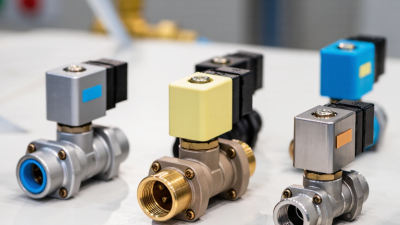
Choosing a solenoid valve starts with the medium, not the catalog photo. Water, air, oil, steam, and mild chemicals require different sealing materials. Brass suits many general water and air systems. Stainless steel offers stronger corrosion resistance in humid or aggressive environments. Plastic bodies can reduce weight, but temperature and pressure limits need close attention. Check the seal material as carefully as the valve body. A compatible body with the wrong seal can still fail early.
Size should match the required flow, pressure drop, and pipe connection. A larger valve is not always better. It may increase cost and create unstable control at low flow. Confirm thread, flange, or tube standards before ordering across borders. Also verify coil voltage, frequency, power consumption, enclosure rating, and operating temperature. Normally closed valves are common for safety-related shutoff duties, while normally open valves suit systems that should keep flowing during power loss. Direct-acting types handle low flow and zero-pressure conditions. Pilot-operated types usually offer higher flow, but need enough differential pressure. I have seen buyers trust nominal size alone; that shortcut often causes disappointing performance.
Tips: Request a complete datasheet, dimensional drawing, material declaration, and test report. Test one sample under real pressure and temperature. Recheck every assumption before placing a large order.
Which Solenoid Valve Design Fits Each Industrial Application?
2026 Best Solenoid Valve Types for Global Buyers?
Which Solenoid Valve Design Fits Each Industrial Application?
Choosing a solenoid valve starts with the application, not the catalog photograph. Direct-acting valves open without pressure assistance, making them useful for low-flow dosing, vacuum lines, and compact equipment. Pilot-operated valves need a minimum pressure difference, but they handle larger flow rates with lower coil power. Semi-direct designs can bridge both needs. They suit systems with changing pressure and moderate flow.
A two-way valve controls simple on-and-off flow. A three-way valve redirects air, gas, or liquid between ports. Pneumatic machinery often uses three-way or five-way configurations for actuator control. For water treatment, compressed air, and process equipment, check the fluid temperature, viscosity, pressure range, and required flow coefficient. Seal material matters too. A seal that works well with clean water may swell in oil or aggressive chemicals.
Tips: Confirm the minimum operating pressure before selecting a pilot-operated model. Check coil voltage, enclosure protection, connection size, and duty cycle. Keep a small safety margin for pressure and temperature. It helps.
Field experience shows that installation conditions can change performance. Long pipe runs may slow response, while dirty media can block small orifices. A filter may reduce failures, but it also needs maintenance. I sometimes see buyers choose the largest valve available, assuming bigger means safer. That choice can increase cost, noise, and switching time. Test the valve with the real medium when possible, and review the result honestly before final approval.