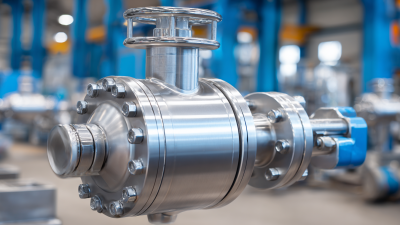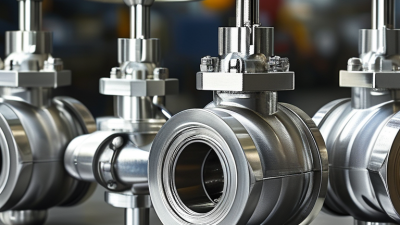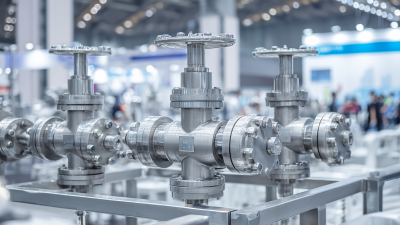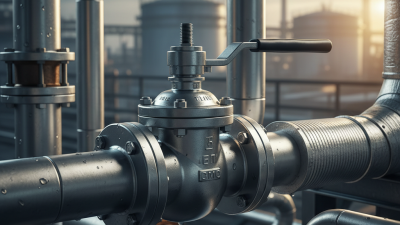
China’s stainless ball valve sector combines large-scale machining, casting, polishing, and export experience. Yet factory quality varies widely. A polished website proves very little.
Recent industry reports show strong demand for industrial valves. Grand View Research estimated the global industrial valves market at about USD 78 billion in 2023, with steady growth expected through 2030. MarketsandMarkets reported a similar upward trend, although its market boundaries and figures differ. That difference matters. Market reports are useful indicators, not factory inspection records.
This guide examines China’s top 10 stainless ball valve manufacturers through practical criteria. These include material traceability, pressure testing, sealing performance, machining accuracy, certifications, delivery capability, and after-sales support. A reliable supplier should identify steel grades clearly, such as CF8M or 316 stainless steel. It should also provide hydrostatic and pneumatic test documentation. Small details matter. A scratched stem, uneven thread, or poorly finished seat can create expensive problems later.
Greg Johnson, a recognized valve-industry educator and president of United Valve, has offered a practical reminder: “Valve selection should begin with the process, not the valve.” That principle guides this comparison. Media, temperature, pressure, connection type, and operating frequency must match the design.
No ranking is perfect. Some manufacturers publish limited performance data, while others serve private-label buyers. Therefore, readers should verify samples, factory audits, certificates, and test reports before placing an order. This list is a starting point, not a substitute for technical due diligence.
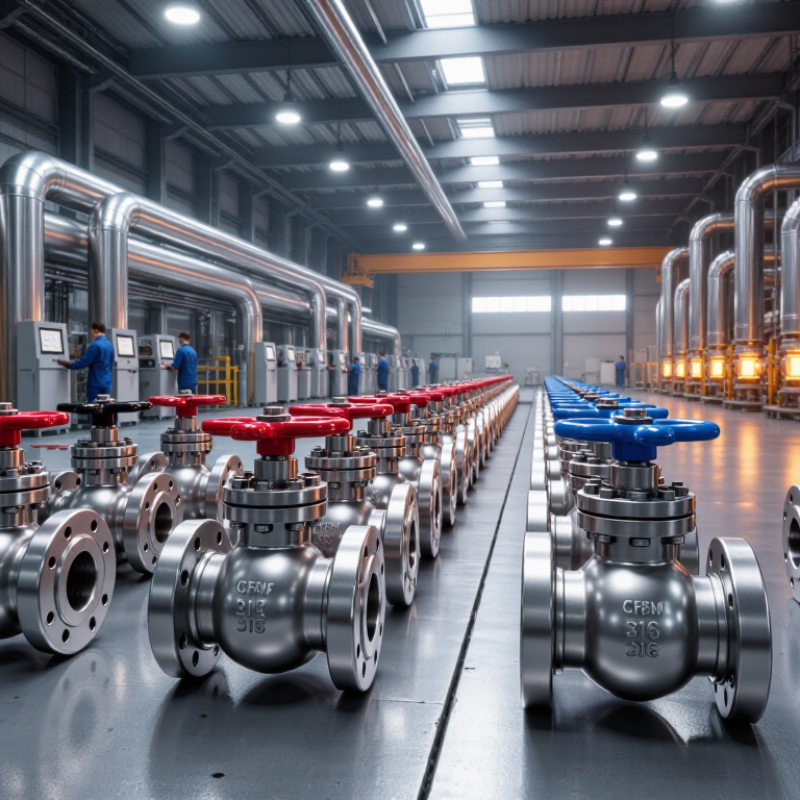
China’s stainless steel ball valve manufacturers stand out through scale, process control, and practical customization.
Grand View Research projects the global industrial valves market to expand at roughly 4% annually through 2030. This growth rewards suppliers that can deliver stable quality, not only low prices. Experienced factories often use 304 or 316L stainless steel, CNC-machined seats, and automated pressure testing. On a production line, inspectors may check casting surfaces, stem alignment, torque, and leakage before packing.
Standards matter. Reliable manufacturers commonly design against API 608, ASME B16.34, and ISO 5211 requirements. They also provide heat numbers, material certificates, dimensional records, and hydrostatic test results. These documents help buyers trace a valve from raw steel to shipment.
SGS and other independent inspection practices can strengthen confidence, especially for chemical processing, food equipment, water treatment, and offshore service. Small details matter.
Customization is another advantage.
Chinese suppliers can adjust port size, actuator mounting, thread forms, seals, and surface finishes for different projects. Shorter tooling cycles can reduce development time. Yet the market is not perfect. Some catalogs look identical, while internal testing differs greatly.
A lower quote may hide thinner walls, weaker seals, or incomplete documentation. Buyers should audit samples, request repeatability data, and inspect production records. Real expertise appears under pressure, not in polished photographs.
Evaluating China’s top 10 stainless steel ball valve manufacturers requires more than comparing prices. Start with material control. Ask for heat numbers, stainless steel grades, and complete traceability records. A reliable manufacturer should explain where each body, stem, seat, and seal comes from. Check whether production follows recognized valve standards and whether certificates match the delivered goods. Paperwork alone is not enough.
Request pressure-test records for every production batch. Look for shell tests, seat leakage tests, and clearly stated test pressures. During a factory visit, inspect machining marks, casting surfaces, thread quality, and actuator alignment. Small details often reveal larger quality problems. Ask how rejected valves are isolated and corrected. Experienced suppliers usually provide practical answers, not polished slogans.
Compare delivery consistency, technical support, and spare-part availability. A manufacturer may offer excellent samples but struggle with repeat orders. Review customer references from similar industries and verify their operating conditions. Discuss temperature, media, pressure, and connection standards before selecting a supplier. I have learned that low price can hide inspection gaps, though premium pricing does not guarantee perfection. A ranking can still mislead. Keep a scoring sheet for quality, testing, documentation, capacity, and service, then record evidence beside every score.
Profiles of China’s Top 10 Stainless Steel Ball Valve Manufacturers
China’s leading stainless steel ball valve manufacturers serve chemical, food, water, and energy applications. One focuses on compact threaded valves for maintenance teams. Another produces flanged valves for large process pipelines. A third specializes in sanitary designs with polished internal surfaces. One manufacturer builds cryogenic valves for low-temperature service. Another emphasizes automated valves with pneumatic actuators. A separate producer supplies high-pressure forged bodies for demanding systems. Some factories concentrate on investment casting and detailed surface finishing. Others offer custom dimensions for original equipment manufacturers. Several maintain ISO 9001 systems and pressure-test every finished valve. Their strengths differ, so a simple ranking may hide important practical details.
Tips: Request material certificates, pressure-test records, and dimensional drawings before purchasing. Check whether the valve matches ISO 5208, API 608, or the required local standard. Ask about seat material, operating temperature, and replacement-part availability. Do not judge quality from surface brightness alone.
A dependable supplier should explain its testing process clearly. Factory audits can reveal machining discipline, storage conditions, and traceability practices. Look for laser-marked batches and protected sealing surfaces. During evaluation, compare torque data rather than relying only on catalog claims. In my experience, delivery communication often matters as much as the valve itself. Some suppliers appear impressive but provide weak after-sales records. That deserves reflection. The strongest choice balances engineering evidence, application experience, and consistent support.
The chart compares internationally recognized nominal pressure classes commonly specified for stainless steel ball valves. PN ratings are defined in bar, while ASME Class ratings are pressure classes used in North American standards. Actual working pressure depends on valve design, material, temperature, and applicable standards.
Comparing China’s leading stainless ball valve manufacturers requires more than checking catalog prices. Product ranges should cover floating and trunnion designs, threaded, flanged, and welded connections. Inspectors should review pressure classes, seat materials, temperature limits, and cavity relief options. A useful comparison includes 304, 316, and duplex stainless steel bodies. Small details matter, especially stem sealing and surface finish.
Certifications provide evidence, but they need careful verification. ISO 9001 supports documented quality procedures, while API 608 and ASME B16.34 may support industrial valve applications. Material certificates should identify heat numbers and match test records.
I would also request hydrostatic, pneumatic, torque, and cycle-test reports. A certificate without traceable documents proves little. That is often overlooked.
Production capability separates reliable suppliers from simple traders.
Visit the machining area, observe CNC equipment, and check whether assembly lines have clear inspection points. A serious factory should control casting, forging, welding, cleaning, and pressure testing. Monthly output figures deserve comparison with actual staffing and storage space. Brochures can exaggerate. One practical weakness is inconsistent lead-time data, even among experienced manufacturers. Buyers should sample several sizes, inspect markings, and repeat tests before approving large orders.
Choosing among China’s top stainless steel ball valve manufacturers requires more than comparing catalog prices.
Start with the valve’s actual service conditions: media, pressure, temperature, connection type, and operating frequency.
A 316L body may suit corrosive fluids, while 304 stainless steel can work well in less aggressive environments.
Confirm the seat material, stem design, fire-safe requirements, and pressure class before requesting quotations.
Ask each manufacturer for traceable material certificates, dimensional drawings, pressure-test records, and applicable quality standards.
Documents such as EN 10204 3.1 certificates can support material verification.
Standards like API 608, API 598, ISO 5208, or ISO 5211 may matter, depending on the application.
Request a video inspection or schedule an independent factory audit.
Check whether the company controls casting, machining, assembly, testing, and passivation. A trading office may not provide the same process visibility.
Sample testing is essential. Inspect thread quality, casting surfaces, handle movement, shutoff performance, and leakage results.
Ask how rejected parts are recorded and corrected.
A polished website proves little. A detailed answer is more valuable.
One overlooked issue is spare-part compatibility; confirm seal kits and actuator dimensions early.
Price remains important, but an unusually low quote may hide thinner walls, weaker traceability, or inconsistent inspection.
Even careful buyers can miss small details, so record every approved specification in the purchase contract.