Understanding Pressure Vacuum Valves and Their Importance?
Pressure vacuum valves play a crucial role in various industrial applications. These devices help maintain equilibrium within systems, such as tanks and pipelines. By allowing air to enter or escape, they prevent pressure buildup and protect machinery from damage.
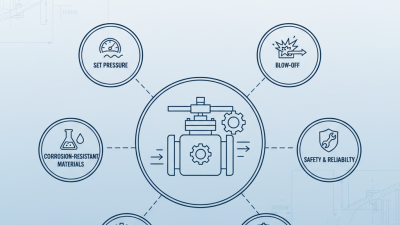
The importance of a pressure vacuum valve cannot be overstated. In a world where safety and efficiency are paramount, their reliability is essential. These valves ensure that hazardous situations are minimized during operation. A malfunctioning valve can lead to significant issues, including spills and safety hazards.
Understanding how pressure vacuum valves work is vital for engineers and maintenance professionals. Proper installation and maintenance are key aspects of their effectiveness. Training staff to recognize signs of wear or malfunction is equally important. As we delve deeper into this topic, we aim to provide insights that underscore the importance of these valves. Responding promptly to valve issues can prevent costly disruptions and ensure long-term system reliability.
Definition and Function of Pressure Vacuum Valves
Pressure vacuum valves play a critical role in maintaining the integrity of various systems. These valves are designed to regulate pressure and vacuum conditions in pipelines or vessels. They allow air to enter or escape, preventing vacuum or excess pressure from damaging the container.
Understanding their function helps in realizing their importance. These valves prevent collapse from external pressure during low internal pressure. They also protect against overpressure by venting excess gases. In oil and gas sectors, and in wastewater treatment, their reliability is crucial.
However, issues can arise. If installed improperly, valves may not function as intended. Regular maintenance checks are essential to ensure they operate efficiently. Skipping these can lead to serious system failures. It's a reminder that attention to detail in pressure management is vital for safe operations.
Importance of Pressure Vacuum Valves in Fluid Systems
Pressure vacuum valves play a crucial role in fluid systems. These valves help maintain the balance of pressure within tanks, preventing dangerous situations. When a tank is filled or emptied, pressure changes can occur. Pressure vacuum valves allow air to enter or escape, avoiding potential collapses or over-pressurization. This function is essential in industries handling liquids, gases, or hazardous materials.
In many systems, the improper functioning of pressure vacuum valves can lead to significant risks. For example, if a valve sticks open, it may allow contaminants to enter a system. Conversely, if it fails to open under vacuum conditions, a tank may implode. Monitoring these valves regularly is vital to ensure safety and operational efficiency. Often, maintenance schedules are overlooked, leading to unexpected failures. A simple check can prevent costly interruptions and repair work down the line. While these valves seem simple, their importance in fluid management cannot be underestimated. Each valve acts as a silent guardian, ensuring systems operate smoothly under varying conditions.
Understanding Pressure Vacuum Valves in Fluid Systems
Common Applications of Pressure Vacuum Valves
Pressure vacuum valves play a crucial role in various industries, particularly in storage and transportation systems. They maintain proper pressure levels in tanks and pipes. Without them, systems may fail due to pressure imbalances. These valves are essential for preventing overpressure and vacuum conditions that could lead to leaks or catastrophic failures.
One common application is in fuel storage tanks. These tanks require strict pressure control to avoid spills and vapors. Pressure vacuum valves help ensure that fuel remains secure. In wastewater treatment, these valves prevent odors and gas emissions while maintaining system efficiency. They are also used in chemical processing to protect equipment from corrosion and pressure fluctuations.
Despite their significance, pressure vacuum valves are often overlooked. Regular maintenance is vital to ensure they function properly. Neglecting these inspections can lead to malfunctions. This oversight can create safety hazards that impact human life and the environment. It's important to reflect on the role these valves play and acknowledge the potential risks of inattention. Understanding their applications helps improve operational safety in many sectors.
Understanding Pressure Vacuum Valves and Their Importance
| Applications |
Function |
Material Used |
Pressure Range |
Dimensions |
| Fuel Tanks |
Prevents vacuum formation |
Aluminum / Stainless Steel |
5 - 20 psi |
2" - 4" NPT |
| Chemical Storage |
Maintains pressure balance |
PVC / CPVC |
10 - 30 psi |
3" - 6" NPT |
| Water Treatment Facilities |
Pressure relief and retention |
Stainless Steel / Brass |
15 - 50 psi |
4" - 8" NPT |
| Oil and Gas Pipelines |
Prevent vacuum during flow |
Steel / Alloy |
20 - 60 psi |
6" - 10" NPT |
Mechanism of Action: How Pressure Vacuum Valves Operate
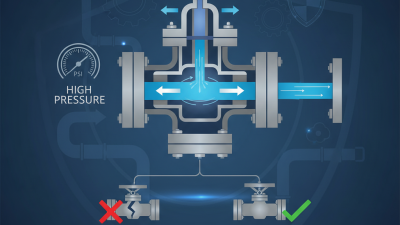
Pressure vacuum valves play a crucial role in maintaining balanced pressure within various systems. They operate through a simple yet effective mechanism. When the system experiences an increase in pressure, the valve opens to release excess pressure. This process prevents rupture or damage to tanks and pipes. When pressure drops, the valve closes, allowing the system to stabilize. This balance is essential for operational safety.
The design of these valves varies based on their application. For example, in storage tanks, a pressure vacuum valve ensures that neither external air nor liquids contaminate the contents. It allows for the controlled exchange of air. However, if these valves malfunction or are not properly maintained, serious issues can arise. Insufficient sealing or blockages can lead to leaks, risking product safety and structural integrity. Regular inspections are necessary to ensure they function correctly.
Understanding the workings of pressure vacuum valves is vital for any industry that relies on fluid containment. Familiarity with their mechanism can enhance safety protocols. Operators must evaluate their systems periodically. Minor adjustments may prevent significant failures. While pressure vacuum valves are simple devices, their impact is undeniably complex. Proper education and diligence can mitigate potential risks associated with their operation.