Best Pressure Relief Valve Manufacturers in China
A pressure relief valve may look like a compact steel fitting, yet its response can protect a vessel, pipeline, or process from dangerous overpressure. Buyers evaluating Chinese manufacturers should look beyond price and catalog claims. Material traceability, spring calibration, test records, and clear capacity data deserve close review. Small parts matter.
Grand View Research’s Industrial Valves Market Size, Share & Trends Analysis Report estimated the global industrial valves market at about USD 78.7 billion in 2023. That figure covers many valve types, not pressure relief valves alone. It still signals a large, competitive supply chain. Market size does not prove product quality.
Quality expert W. Edwards Deming wrote, “Quality is everyone’s responsibility.” For pressure relief valve production, that idea reaches from material inspection to final testing and documentation. A polished brochure cannot replace a verifiable test report. Nor does a certificate, by itself, confirm that a valve suits a particular service. Not always.
This guide examines manufacturers in China through practical buyer criteria: product range, manufacturing capability, quality systems, testing evidence, and export support. It also considers where public information leaves questions unanswered. That matters. Pressure, temperature, media, and required discharge capacity differ between applications. A shortlist is only a starting point; buyers should confirm specifications with the manufacturer and qualified engineers before selecting a valve.
What Pressure Relief Valves Do and Where They Are Used
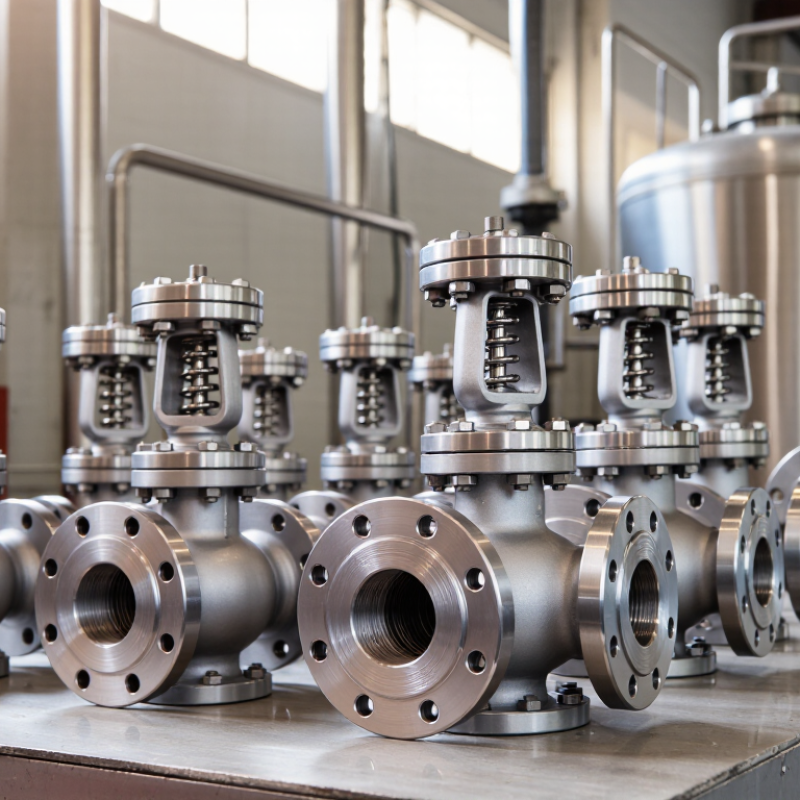
A pressure relief valve protects equipment when pressure rises beyond a safe limit. It opens at a preset pressure, releases fluid or gas, then closes as pressure falls. That sounds simple. It isn’t. Valve sizing, set pressure, fluid properties, and discharge routing all affect whether the system is protected effectively.
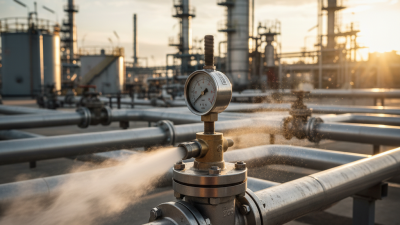
These valves are used on boilers, pressure vessels, compressors, pipelines, and process equipment in chemical plants, refineries, power stations, and refrigeration systems. For example, a boiler valve may discharge steam through a dedicated outlet, while a vessel valve may handle gas or liquid. The discharge path matters: a valve can open correctly, yet still create hazards if its outlet is poorly routed. Inspection also matters. A “set and forget” mindset can miss corrosion, deposits, or a stuck mechanism.
The International Energy Agency’s Energy Efficiency 2023 report estimates that industry accounts for about 37% of global final energy consumption. That scale helps explain why pressure protection is important across energy-intensive operations, including steam systems and manufacturing lines. The figure is not a measure of valve failures; it is broader context. A practical review should match each valve to its operating conditions and verify that the outlet remains clear. One small detail can change the result.
How to Assess Chinese Pressure Relief Valve Manufacturers
Assess a Chinese pressure relief valve manufacturer by testing its evidence, not its catalogue. The IEA’s World Energy Investment 2024 report projected global energy investment above USD 3 trillion, including about USD 2 trillion in clean energy. That scale of investment makes reliable pressure protection critical across expanding process facilities. It does not, by itself, prove a supplier’s capability.
Request documented capacity tests at specified inlet pressure, backpressure, and temperature. Compare results with the valve’s nameplate and declared set pressure.
Ask for material certificates, heat numbers, calibration records, and traceability from raw material to finished valve. Paper is not proof. Verify whether the manufacturer’s quality system and product approvals cover the exact valve type and production site. For applicable applications, check alignment with ASME BPVC Section VIII and relevant API 520, 526, or 527 requirements. Ask to witness a test, or review dated test videos and original records. Ask for raw data.
A factory visit can reveal practical details: calibrated gauges, segregated materials, clean assembly benches, and technicians who can explain a failed test. I would not rank suppliers by a single certificate; scope and current validity matter.
One weakness in remote assessment is that polished documents can hide inconsistent production. Request recent batch records and compare them with a randomly selected valve.
Then check response times for technical questions and spare-part support. That matters.
Leading Pressure Relief Valve Manufacturers in China
Leading pressure relief valve manufacturers in China serve demanding sectors, from steam systems to chemical processing and water treatment. The strongest suppliers combine design capability with controlled production. They can explain how set pressure, back pressure, temperature, and fluid properties affect valve selection. Details matter. A spring-loaded valve for clean air may not suit a corrosive liquid service.
Look for manufacturers that document material traceability, machining tolerances, assembly checks, and pressure testing. Ask how they verify opening and reseating performance, and request test records tied to the specific valve. Clear drawings and responsive engineering support are useful signs. So are practical answers about lead times, spare parts, and maintenance intervals. A polished catalog alone proves little.
Factory visits or independent inspections can reveal gaps between written procedures and daily work. Review relevant quality certificates, but confirm their scope and validity with the issuing body. Samples may help assess finish and documentation, though one sample cannot establish consistent production quality. No supplier is flawless. Buyers should compare evidence, clarify operating conditions, and record acceptance criteria before ordering. Even experienced teams sometimes overlook installation conditions, so supplier selection is only part of reliable pressure protection.
Comparing Manufacturers by Products, Certifications, and Service
Best Pressure Relief Valve Manufacturers in China: Comparing Products, Certifications, and Service
Choosing a Chinese pressure relief valve manufacturer takes more than comparing catalog prices. Grand View Research estimated the global industrial valves market at USD 76.8 billion in 2023, with projected growth of 4.3% annually from 2024 to 2030. That scale reflects broad demand, not proof of any supplier’s quality. Compare product range against your actual media, temperature, set pressure, and discharge conditions. Ask for sizing calculations and material records. A stainless-steel body may suit one process, while another needs different trim or sealing materials.
Certifications should match the valve and intended application. Review quality-system certificates, applicable design standards, and test documentation; verify that certificates are current and cover the manufacturing site. For pressure relief valves, ask for set-pressure and seat-tightness test results, plus serial-number traceability. Service matters too. Check response times, engineering support, spare-parts availability, and whether staff can explain backpressure limits clearly. I would not rank suppliers by certificate count alone. Paperwork can look tidy; production consistency still needs evidence.
Tips: Request a sample inspection report and a written scope of supply. Confirm who handles commissioning questions. A fast quote is useful, but it is not a technical review.
How to Choose a Manufacturer for Your Application
Best Pressure Relief Valve Manufacturers in China
How to Choose a Manufacturer for Your Application
Choosing a pressure relief valve manufacturer starts with the actual duty, not a catalog photograph. Record set pressure, required relieving capacity, inlet temperature, fluid, and expected back pressure. A steam line and a viscous process line may need different trim and discharge arrangements. Small details matter.
Ask how the manufacturer verifies capacity and set pressure on each finished valve. Request test procedures, calibration records, material certificates, and a sample inspection report. Check whether pressure-containing parts, springs, seals, and connections suit your fluid and temperature range. For corrosive service, ask for material compatibility evidence rather than relying on a verbal assurance. Confirm that the outlet design fits your piping layout. A valve that performs well on a test bench may behave differently with built-up back pressure.
If practical, visit the factory or request a video walkthrough of machining, assembly, and testing. Look for controlled measuring tools, clear batch identification, and technicians who can explain how rejected parts are handled. Ask about lead times, spare parts, repair support, and design-change notifications. Price matters, but low cost alone says little about consistency. Compare offers using the same written duty data; otherwise, the comparison can be shaky. A spreadsheet can still miss a detail, so have application-specific requirements reviewed before selection.
Best Pressure Relief Valve Manufacturers in China: How to Choose a Manufacturer for Your Application
Common PN Designations and Nominal Pressure Equivalents
PN is a nominal pressure designation; the values shown are converted using 1 bar = 0.1 MPa. A PN designation alone does not establish a valve’s allowable operating pressure. When comparing manufacturers, confirm the pressure-temperature rating, materials, applicable standards, and suitability for your specific service conditions.