Choosing the best ball valve for industrial use in 2026 is not a simple matter of selecting the strongest body or lowest price. A valve handling clean water may perform poorly in abrasive slurry, while a design suited to frequent cycling may be unnecessary for an isolation line. The right choice depends on the service conditions around it. Pressure, temperature, fluid composition, operating frequency, and maintenance access all matter.
This guide compares floating, trunnion-mounted, and specialized ball valve designs, with attention to materials, seats, actuation, and installation. For example, a high-pressure process line may need a trunnion-mounted design, while a smaller utility line could work well with a floating ball valve. Details count. A seat that suits one fluid may swell, wear, or leak when conditions change. That point can be easy to overlook.
Reliable selection starts with verified operating data and manufacturer documentation, not a broad claim that one type is best for every plant. We also consider total service needs, including inspection intervals, replacement parts, and the cost of unplanned downtime. These factors can vary between facilities, even when the valves look similar on paper. No comparison can replace engineering review of the actual application. Still, understanding the trade-offs can help buyers ask sharper questions and narrow their options with confidence.
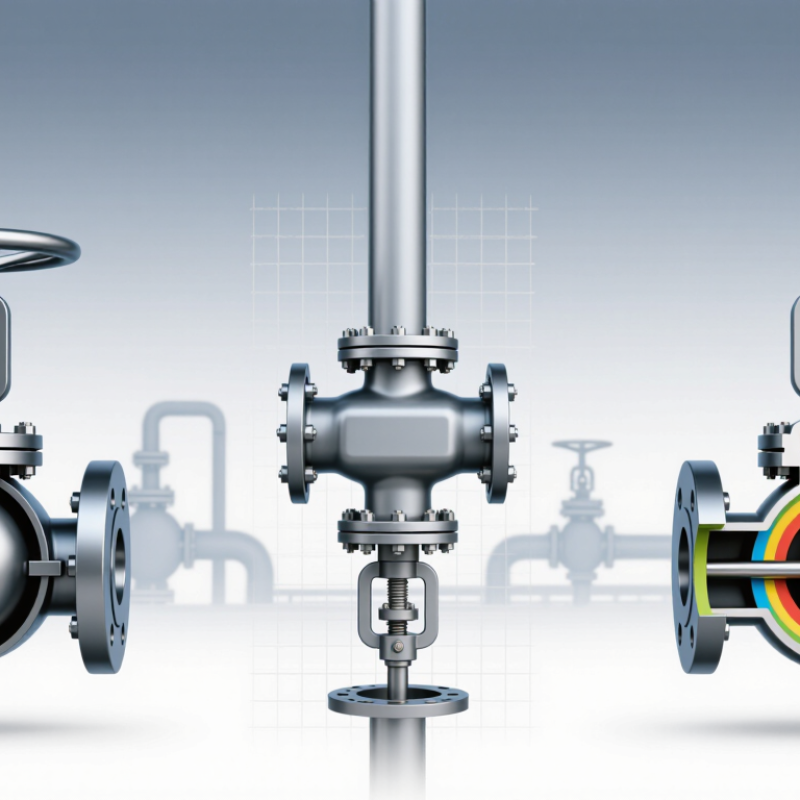
Industrial ball valves differ by how the ball is supported, how the flow path is shaped, and how the valve is assembled. In a floating-ball design, line pressure pushes the ball against the downstream seat, creating the seal. This works well for many smaller lines and moderate pressures. In a trunnion-mounted valve, upper and lower supports hold the ball in place, reducing seat load in larger or higher-pressure service. The difference matters. Grand View Research’s 2024 Industrial Valves Market analysis estimated the global market at USD 78.4 billion in 2023, reflecting the range of duties these components serve.
Bore and body design change performance, too. A full-bore valve has an opening close to the pipe’s internal diameter, limiting flow restriction and helping passage of cleaning tools. A reduced-bore model is often more compact, but adds pressure loss. Side-entry valves are assembled from multiple body sections; top-entry designs allow internal access from above, which can simplify some maintenance tasks. Not always. For pipeline applications, API 6D addresses pipeline valve design, while API 598 sets inspection and pressure-testing requirements; its test durations vary by valve size. A practical selection should match pressure, temperature, fluid cleanliness, operating frequency, and maintenance access. One detail is often missed: a technically suitable valve may still be awkward to service once installed.
The best ball valve depends on the process, not a single “industrial” category. Start with the fluid: clean water, abrasive slurry, steam, and corrosive chemicals place different demands on the body, ball, and seats. Check operating pressure and temperature across the full range, including start-up and shutdown. A valve rated for normal conditions may struggle during a brief temperature spike. Full-port designs reduce flow restriction, while reduced-port valves can suit installations where space or cost matters.
Operating frequency also changes the choice. A valve used for occasional isolation may need different actuation from one cycling every few minutes. For automated service, confirm torque needs at the lowest operating pressure and account for seat wear over time. Soft seats can provide tight shutoff, but high heat or abrasive particles may shorten their useful life. Metal seats often handle harsher conditions, though leakage expectations and maintenance needs should be reviewed. One detail is easy to miss: trapped pressure in the valve cavity can affect safe operation and maintenance.
Tips: Match valve materials to the actual fluid and temperature, not just the pipe specification. Ask operators about sticking, leakage, and cycle frequency. If conditions are uncertain, document the assumptions and verify them before ordering. Selection tables help, but they cannot replace process data.
For industrial use in 2026, valve choice should follow the flow path, pressure, and maintenance plan—not a “best overall” label. Full-port valve has a bore close to the adjoining pipe’s inside diameter, helping limit restriction when flow capacity matters. Reduced-port valve has a smaller opening; it may suit space or cost constraints, but can add pressure loss. Not always a deal-breaker. Check the actual flow rate and valve sizing data.
Floating valves use line pressure to push the ball against a seat, making them common in lower-pressure duties. At larger sizes or higher pressures, trunnion-mounted designs support the ball and can reduce operating torque. Size matters. Seat material, temperature, cycling frequency, and solids in the flow can still change the decision.
For procurement, compare the valve’s rated pressure and temperature with the real operating envelope, then verify end connections, materials, and leakage requirements. API 6D and ISO 17292 provide relevant design and testing frameworks, but compliance alone does not establish suitability for every service. One easy-to-miss detail: a reduced-port valve may fit the line yet complicate pigging or cleaning. That trade-off deserves a clear specification, not an assumption.
Choosing a ball valve starts with the duty, not the catalog photograph. For clean water, air, or utility lines, a floating-ball design often suits moderate bore and pressure. Line pressure pushes the ball against its downstream seat to create shutoff. Larger bores or higher differential pressures often favor trunnion-mounted valves, which support the ball and can reduce operating torque. Not always. Check pressure-temperature ratings, seat compatibility, and actuator torque under actual operating conditions. The U.S. Department of Energy’s Improving Steam System Performance sourcebook reports that steam accounts for about 30% of energy used in manufacturing. For steam service, temperature limits and leakage performance deserve particular attention.
For frequent throttling, a characterized V-port ball valve can provide more controllable flow than a standard on-off design. Three-way valves can divert or mix flow, while full-port designs help limit pressure drop where capacity matters. Abrasive or hot service may call for metal seats, but confirm erosion and temperature limits with application data. The 2016 NACE International IMPACT study estimated global corrosion costs at US$2.5 trillion, or about 3.4% of global GDP. That figure is not specific to valves; it does underline why fluid chemistry and trim materials should be checked carefully. A clean specification can still miss field conditions, especially when solids, cycling, or temperature swings vary.
Choosing an industrial ball valve in 2026 starts with the process, not the catalog. A floating-ball design often suits smaller lines and moderate pressures. Larger or higher-pressure systems may need a trunnion-mounted ball, which reduces operating torque. Neither is automatically better. Line pressure, temperature, cycling frequency, and shutoff requirements shape the choice.
Materials matter at every contact point. Stainless steel can resist many corrosive fluids, while carbon steel may be suitable for less demanding services. Seat material needs equal scrutiny: soft seats provide tight shutoff, but heat, abrasive particles, or certain chemicals can shorten their life. Metal seats tolerate harsher conditions, though shutoff performance may differ. Check the actual fluid and operating range.
Automation adds more than convenience. Electric or pneumatic actuators can support remote control, but the selection should account for cycle time, power availability, and what happens during a failure. A defined fail position and clear position feedback can help operators respond. Small detail. For safety-critical duties, review applicable fire-safe and emissions requirements for the specific service; a general-purpose valve may not be enough.
Lifecycle cost includes purchase price, actuator energy, inspections, spare parts, and downtime. A cheaper valve that sticks after repeated cycles can cost more in practice. Yet precise savings are hard to predict without operating data. Track leakage, torque changes, and maintenance intervals after installation, then revisit the specification. That reflection is often missed.
| Valve type | Typical construction and materials | Pressure, size, and flow considerations | Automation suitability | Safety and maintenance considerations | Lifecycle cost profile | Common industrial applications | Best-fit assessment |
|---|---|---|---|---|---|---|---|
| Floating ball | The ball is held between seats and moves slightly downstream under pressure. Common body materials include carbon steel, stainless steel, and alloys; seats are often made from PTFE or other engineered polymers, subject to service limits. | Common in small- to medium-bore services and moderate-to-high pressure classes. As size and pressure increase, operating torque and seat loading can become limiting factors. | Generally easy to automate with quarter-turn electric, pneumatic, or hydraulic actuators. Actuator sizing must account for differential pressure, seat material, and breakaway torque. | Specify an appropriate fire-tested design where required. Seat wear, thermal limits, and leakage performance should be checked against the process fluid and operating temperature. | Often a cost-effective choice for standard duties. Polymer seats can reduce friction and leakage, but may need replacement if exposed to unsuitable temperatures, abrasive solids, or incompatible chemicals. | Water, general process services, utilities, and compatible liquid or gas lines. | Best general-purpose option when bore size, pressure, temperature, and fluid compatibility are within the valve’s rated limits. |
| Trunnion-mounted ball | The ball is supported by upper and lower trunnions; spring-loaded or pressure-assisted seats seal against it. Common constructions use carbon or stainless steel bodies and service-specific seat and trim materials. | Well suited to larger bore sizes and higher-pressure pipeline duties. The supported ball can reduce operating torque compared with a similarly sized floating design. | Suitable for automated on/off service and, with a properly engineered package, remote operation. Confirm actuator torque throughout the full pressure and temperature envelope. | May be specified with double-block-and-bleed features, but this capability depends on the design and configuration. Verify cavity relief, seat direction, and fire-safe requirements for the application. | Higher initial cost and weight are common. Reduced torque and suitability for demanding pipeline service can support long-term value where downtime or large-valve operation is costly. | Transmission pipelines, terminals, gas processing, and other high-pressure or larger-bore services. | Best for larger, high-pressure duties where supported-ball construction and predictable operating torque are important. |
| Three-way ball | Uses an L-port or T-port ball to divert, mix, or select flow between connected ports. Body and ball materials are selected to suit the fluid and process conditions. | Port arrangement determines which flow paths are available. Flow capacity and pressure drop depend on the port geometry; verify the required switching sequence before selection. | Can be automated for flow-path switching. Actuator stops, position indication, and control logic should match the L-port or T-port configuration. | Incorrect port orientation or switching sequence can cause unintended cross-flow or interruption. Confirm allowable pressure in each flow path and any isolation requirements. | Can replace multiple valves and fittings in some layouts, reducing space and connection count. A specialized port arrangement may cost more than a standard two-way valve. | Process routing, tank selection, blending, and diverting applications. | Best when flow routing is required; not a substitute for a two-way isolation valve unless its porting and shutoff function meet the duty. |
| V-port ball | A V-shaped ball or seat creates a characterized opening for throttling. Materials and seat designs vary with fluid, temperature, and erosion requirements. | Provides more controllable flow behavior than a standard full-port ball valve in suitable modulating duties. The selected trim must handle the expected velocity, pressure drop, and cavitation or noise risk. | Well suited to modulating electric or pneumatic actuation with a compatible positioner and control signal. Confirm rangeability and control performance from the valve sizing calculation. | Throttling can increase wear, noise, vibration, and erosion, particularly with severe pressure drops or entrained solids. Routine inspection may be more important than for simple isolation duty. | Initial cost is generally higher than for a basic on/off ball valve. Proper sizing can improve control performance, while unsuitable throttling service can shorten trim life. | Process control, flow regulation, and services requiring a characterized rotary control element. | Best for modulating service when selected and sized as a control valve rather than used as an ordinary isolation valve. |
| Metal-seated ball | Uses metal sealing surfaces, often with hardfacing or other wear-resistant treatments, instead of soft polymer seats. Exact materials and coatings depend on the service. | Can be selected for temperatures or abrasive conditions beyond the practical range of many soft-seat designs. Pressure and temperature capability remain product- and design-specific. | Can be automated, but higher friction and torque may require a larger actuator than a comparable soft-seated valve. Confirm torque at the most demanding operating condition. | May tolerate heat, erosion, or particles better than some soft-seat designs, but shutoff leakage performance varies. Check the specified leakage class and applicable test requirements. | Typically higher purchase and maintenance costs. Longer service life may offset these costs in severe duties, but the outcome depends on fluid, cycling, and maintenance practices. | High-temperature, abrasive, dirty, or severe-service applications where soft seats may be unsuitable. | Best for severe service when the seat materials and leakage performance are validated for the actual process conditions. |
| Cryogenic ball | Designed for very low-temperature service and commonly incorporates an extended bonnet or stem to help keep the stem packing away from the cold zone. Materials and seat design must be selected for cryogenic conditions. | Ratings must be confirmed at the actual operating temperature; room-temperature pressure ratings alone are not sufficient for selection. | May be supplied for manual or automated operation. Account for low-temperature effects, actuator location, insulation, and access to the extended stem area. | Test requirements, bonnet design, packing arrangement, and thermal cycling performance are important. Confirm the specified cryogenic test and leakage requirements. | Higher initial cost than a standard-temperature valve. Correct cryogenic design can reduce leakage risk and maintenance disruption in low-temperature service. | LNG, liquid nitrogen, oxygen, and other low-temperature fluids, subject to material and cleanliness compatibility. | Best for cryogenic duties; a standard ball valve should not be assumed suitable without temperature-specific qualification. |
Selection note: There is no single best ball-valve type for every industrial duty. Confirm pressure, temperature, fluid compatibility, flow coefficient, leakage limits, cycling frequency, end connections, and actuator requirements against the project specification. Where applicable, review relevant standards and certifications, such as API 6D or ISO 17292 for valve design, API 607 or API 6FA for fire testing, and ISO 15848 for fugitive-emissions testing. Requirements and scope vary by valve type and application.