How to Choose the Right Solenoid Valve for Your Needs?

A solenoid valve may look like a small component, but the wrong choice can cause leaks, slow cycles, or unreliable control. Selecting 1 solenoid valve starts with the actual job: what fluid it controls, its pressure and temperature, and how often it must operate. Then check the connection size, voltage, response time, and whether the valve should be normally open or normally closed. Small details matter. A valve that fits the pipe may still be poorly matched to the flow.

The U.S. Department of Energy’s Improving Compressed Air System Performance: A Sourcebook for Industry notes that compressed-air systems can consume a significant share of a facility’s electricity; leaks may waste 20–30% of compressor output. Those figures apply to compressed-air systems, not every solenoid-valve installation, but they show why dependable sealing and suitable sizing deserve attention. The sourcebook also emphasizes checking system pressure and operating conditions, rather than treating components in isolation. Grand View Research’s Solenoid Valve Market report provides a broader view of demand across industrial and process applications, while offering no substitute for application-specific engineering. A report cannot choose your valve for you.

This guide turns those considerations into practical selection steps, from media compatibility and flow capacity to coil type and maintenance access. There is no perfect valve for every system. Real installations can be messier than a catalog suggests, and that is worth admitting. Verify the manufacturer’s specifications, then check the design against the actual operating conditions before ordering.
How to Choose the Right Solenoid Valve for Your Needs?

Define the Application and Operating Requirements

A solenoid valve should match the job, not just the pipe size. Start by naming the fluid: air, water, oil, or a chemically active liquid. Then record its temperature, viscosity, cleanliness, and likely contaminants. A fine particle can obstruct a small pilot passage. Check the minimum and maximum inlet pressure, too. Many pilot-operated valves need a pressure difference to open; direct-acting designs may suit low-pressure service, but their flow capacity can be smaller. A useful specification includes required flow, response time, voltage, duty cycle, and the valve’s safe state when power fails. Details matter.

Think about the whole operating cycle, not a single test. Will the valve switch every few seconds, or sit energized for hours? Is it exposed to vibration, washdown, or outdoor temperature swings? The U.S. Department of Energy’s Improving Compressed Air System Performance sourcebook reports that leaks can consume 20–30% of compressed-air use in many plants. That figure covers system leaks, not solenoid valves alone, but it shows why leakage and maintenance deserve attention. Specify the acceptable leakage level and how it will be checked. One easy-to-miss point: the process may be clean on paper, while the actual line carries rust or seal debris. I would verify the medium at the valve, then question the assumptions before finalizing the specification.
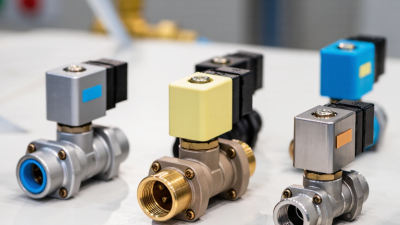
Choose the Valve Type and Actuation Method

Start with the valve’s operating principle, then match it to the pressure available in the line. A direct-acting solenoid moves its seal with the coil, so it can open at zero differential pressure. Pilot-operated valves use line pressure to move the main diaphragm or piston. They often suit higher flows but require a minimum pressure differential. Check the datasheet’s pressure limits, or the valve may chatter or stay shut. That detail is easy to miss. Also verify material compatibility with the actual fluid, temperature, and contamination level—not just the pipe size.

Then choose the normal state and electrical actuation. Normally closed valves stop flow without power; normally open valves can maintain flow when power is lost. Match coil voltage and AC or DC supply to the control panel. Confirm connector protection if dust or washdown is expected. For frequent cycling, compare response time and duty rating. A warm coil is not automatically faulty, but persistent heat deserves investigation. Leakage matters, too. The U.S. Department of Energy’s Improving Compressed Air System Performance sourcebook reports that leaks can waste 20–30% of compressor output in many plants. That figure concerns system leaks, not one valve, but it shows why sealing and maintenance matter. A pilot-operated valve may use less coil power, yet add pressure dependence and troubleshooting steps.

Match Valve Materials to the Fluid and Environment

A solenoid valve’s wetted materials must suit the fluid, not just the pipe. Water, glycol, oils, and cleaning solutions can affect metals and seals differently. Brass often works for ordinary water or air service, while stainless steel may better tolerate some corrosive fluids. But stainless steel is not immune: chloride-rich liquids can cause pitting, especially when warm or stagnant. Small details matter. Check fluid concentration, temperature, pressure, and suspended particles against compatibility data before choosing the valve body and seals.

The surrounding environment matters too. Salt spray, outdoor moisture, vibration, and frequent temperature changes can shorten service life, even when the fluid is mild. NACE International’s 2016 IMPACT study estimated corrosion costs at US$2.5 trillion annually, or about 3.4% of global GDP. That makes material selection an operating-cost decision, not merely a finish preference. EPDM is common in water service, while NBR often suits mineral oils; exact compounds and temperature limits can change the answer. Request compatibility evidence for the actual fluid concentration and duty cycle. A chart may not account for deposits or mixed fluids. That gap deserves a second look.

How to Choose the Right Solenoid Valve for Your Needs? – Match Valve Materials to the Fluid and Environment

Fluid or Application Typical Body Material Common Seal Material Environmental Considerations Selection Guidance
Water and general-purpose air Brass or stainless steel EPDM for water; NBR for many air-service applications Brass suits many indoor, non-corrosive installations. Stainless steel is often preferred where moisture or external corrosion is a concern. Check water temperature, pressure, and any additives. EPDM is generally unsuitable for petroleum-based oils.
Hot water or steam Stainless steel, or a valve body specifically rated for the service Steam-rated EPDM or PTFE, depending on valve design and operating conditions High temperature and pressure can shorten seal life; the complete valve must be rated for steam service. Do not assume a standard water valve is suitable for steam. Confirm the manufacturer’s pressure and temperature ratings.
Mineral oils and lubricants Brass or stainless steel NBR is commonly used; FKM may suit some higher-temperature or fuel-related applications Consider fluid temperature, additives, and outdoor exposure. Seal compatibility varies with the exact oil formulation. Verify compatibility with the specific oil and check that the valve’s pressure and temperature limits meet the application.
Fuels and selected hydrocarbon fluids Brass or stainless steel, subject to fluid compatibility NBR or FKM, selected for the specific fuel and operating conditions Flammability, leakage control, and applicable electrical and installation requirements may be important. Do not select a seal by material name alone; fuel blends and additives can affect compatibility.
Mildly corrosive process fluids 316 stainless steel or a compatible engineered plastic PTFE or another seal confirmed compatible with the fluid Concentration, temperature, and exposure time affect corrosion resistance. Stainless steel is not resistant to every chemical, including all chloride conditions. Check a chemical-compatibility reference for the exact fluid concentration and temperature before selecting materials.
Acids, alkalis, or aggressive chemicals Compatible plastic or corrosion-resistant alloy, determined for the specific chemical PTFE is often considered, but compatibility must be checked for the exact chemical and valve construction Outdoor UV exposure, process temperature, and chemical concentration can limit material life. Obtain application-specific compatibility guidance; do not assume that stainless steel, PTFE, or plastic is universally resistant.
Outdoor or washdown installation Stainless steel or a suitably protected brass body Choose EPDM, NBR, FKM, or PTFE to match the process fluid Consider rain, humidity, cleaning chemicals, dust, and the enclosure protection rating of the coil and electrical connection. Body material alone does not determine outdoor suitability. Check the valve’s ingress-protection rating and corrosion resistance.

Important: This table provides general material-selection guidance, not a compatibility guarantee. Confirm the exact fluid composition, concentration, temperature, pressure, and valve ratings before installation.

Compare Pressure, Flow, and Electrical Specifications

Check the pressure range before comparing valve sizes. A valve rated for high pressure may still fail to open reliably when the available pressure difference is small. Record both the minimum and maximum operating pressure, including startup conditions. Then compare them with the valve’s allowable range. A gauge reading taken only during steady operation can miss the real issue.

Flow capacity matters just as much. Match the valve’s flow coefficient or rated flow to the required rate, and check the fluid and temperature used for that rating. A valve that is too small can restrict a pump or slow a cylinder; one that is too large may control poorly. Small details matter. Estimate peak demand, not just average flow. The calculation may still be imperfect, especially when piping losses are unknown, so leave a sensible margin and verify performance in the actual circuit.

Electrical specifications must fit the control system. Confirm coil voltage, AC or DC supply, power consumption, and duty cycle. A continuously energized coil can overheat if it is rated only for intermittent use. Check connector type and available space too; a correct voltage does not guarantee an easy installation. Not always obvious. If the supply voltage varies, compare its real operating range with the coil limits rather than relying on its nominal value.

Assess Installation, Maintenance, and Safety Needs

A solenoid valve must fit the installation, not just the pipe size. Check the fluid, operating pressure, temperature range, and available voltage against the valve’s specifications. Small details matter. A narrow cabinet may leave too little room to remove a coil or reach a manual override. Allow space for wiring, tools, and routine inspection. Confirm the permitted mounting position and flow direction before connecting the lines. Pipe strain can distort a body or cause leaks, so support heavy tubing independently.

Maintenance needs shape the choice, too. Ask how often the fluid may carry particles, and whether a filter is practical upstream. Debris can hold a seal open; a valve that looks correctly sized may still perform poorly. Check whether seals and other service parts are accessible, and note the recommended inspection intervals. A quick-access design can save time, but only if staff can isolate pressure and power safely before servicing. That step is easy to overlook during a rushed installation.

Safety assessment should include the valve’s failure position when power is lost. Consider whether flow should stop or continue, based on the process and its hazards. Verify pressure limits, coil temperature, enclosure protection, and electrical connections for the actual environment. Moisture, vibration, or nearby heat can change performance. I would not treat a catalog match as proof of suitability; confirm the operating conditions on site, and document any assumptions that still need checking.

How to Choose the Right Solenoid Valve for Your Needs

Compare the key installation, maintenance, and safety checks before selecting a valve. Example planning scores are illustrative, not product ratings.

Score each check from 1 (low priority) to 5 (high priority) for your application. Verify pressure, temperature, media compatibility, electrical requirements, and safety details against the valve manufacturer’s specifications.